
Astrology
Planets
The Meaning of Planets in Astrology Are you curious about
The Meaning of Planets in Astrology
Are you curious about the planets in astrology?
Astrologers believe celestial bodies shape our personalities and destinies. They assign significant roles to each planet. From Mars’s assertive energy to Jupiter’s expansive influence, these astrology planets hold sway over different aspects of our existence.
Understanding the roles of each planet can offer insightful perspectives on personal growth and self-awareness. In this article, we will discuss the significance of all the planets in astrology.
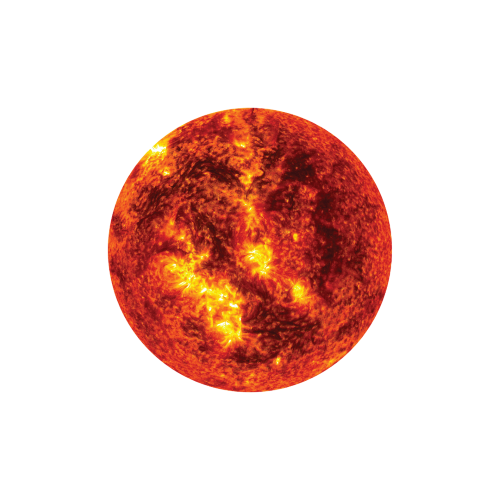
Sun
SELF-AWARENESS
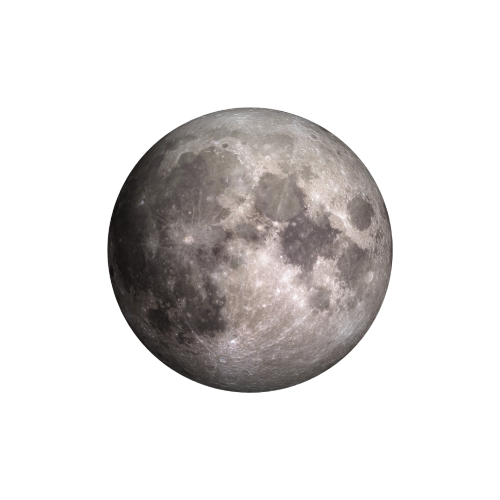
Moon
EMOTIONS
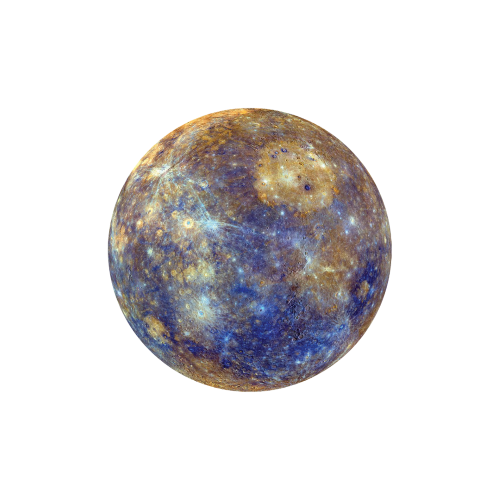
Mercury
COMMUNICATION
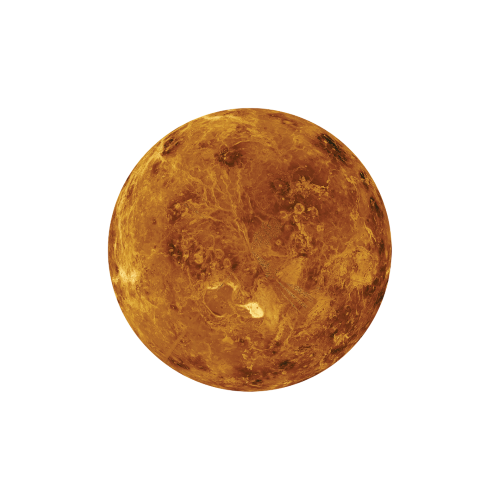
Venus
LOVE
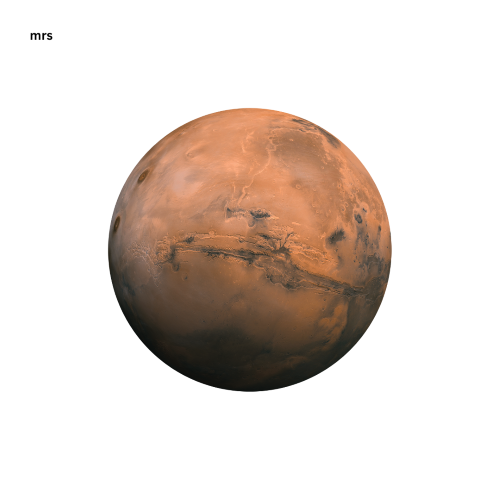
Mars
AGGRESSION
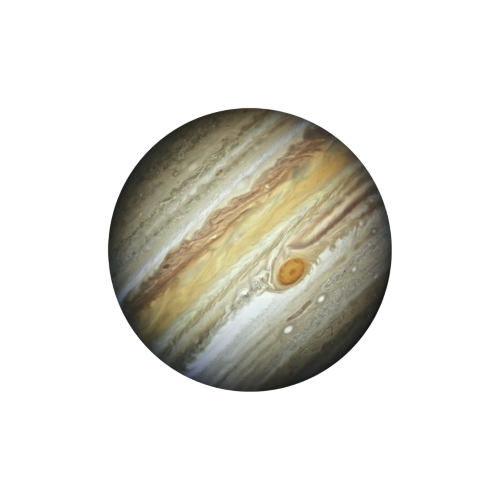
Jupiter
LUCK
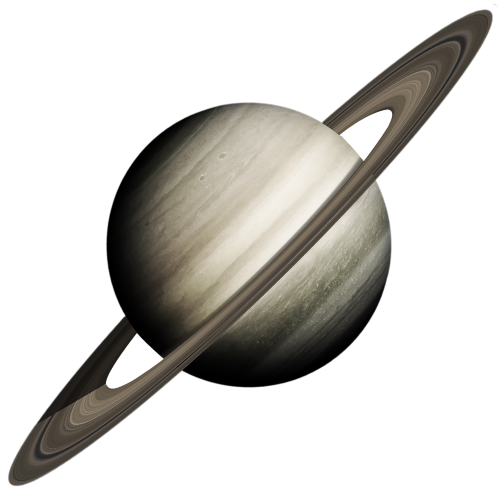
Saturn
RESPONSIBILITY
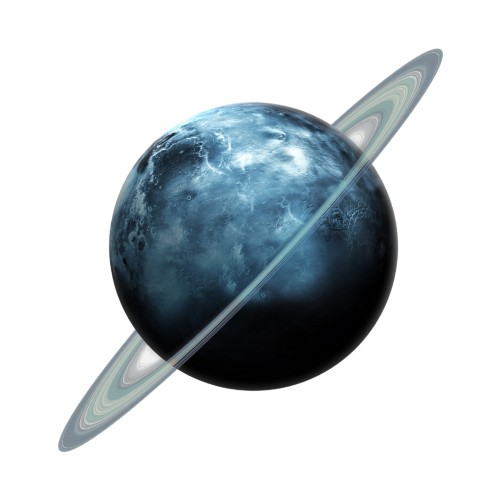
Uranus
INDIVIDUALITY
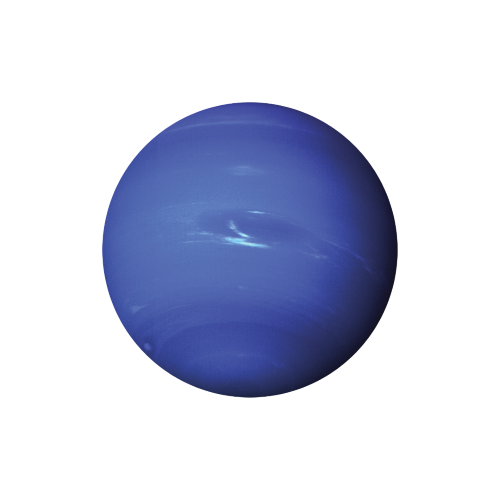
Neptune
DREAMS
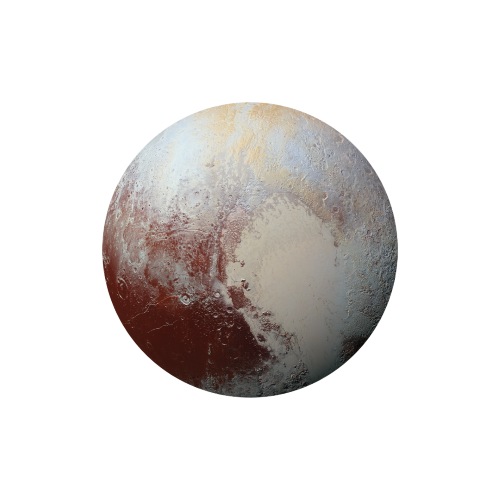
Pluto
TRANSFORMATION
1. Sun
While the Sun is a star in the solar system, it is considered a planet in astrology. Whenever people ask about your sign, they typically refer to your Sun sign. The Sun sign is determined by the placement of the Sun during your birth.
The Sun rules the zodiac sign, Leo. Often considered the most important planet in a person’s birth chart, it represents the core of one’s identity, ego, and sense of self. The Sun influences our basic personality traits, individuality, and expression. It brings warmth and confidence to your personality.
2. Moon
Like the Sun, the Moon is also considered a planet in astrology. While the Sun influences your outer personality, the Moon affects your thoughts and feelings.
The Moon represents emotions and the sensitive aspects of our personalities. The Moon governs Cancer, influencing your emotions, love, mood, family, enemies, and jealousy. It can turn into your weakness if you don’t share these emotions with others.
3. Mercury
Mercury rules the zodiac signs Gemini and Virgo. Known as the messenger planet, it plays a crucial role in how we communicate, think, and process information. It governs our reasoning abilities, logic, and how we express our thoughts verbally and in writing.
Additionally, Mercury’s influence extends to our curiosity, learning style, and how we connect and interact with others. When Mercury is prominently placed in a person’s astrological chart, it often indicates a sharp, quick mind, adept at learning and adapting. Understanding Mercury’s position can offer insights into your communication style, learning preferences, and intellectual strengths.
4. Venus
Venus governs Taurus and Libra. It is the planet of love, beauty, and harmony. It influences how we experience and express affection, our sense of attraction, and what we value in relationships.
However, it’s not just about romantic love; Venus also affects friendships, the enjoyment of life’s comforts, and the appreciation of art and beauty. Venus shapes our social interactions, desires for harmony in relationships, and our pursuit of things that bring us pleasure and satisfaction.
5. Mars
Mars is the ruler of Aries. It is called the planet of energy, action, and desire. This planet represents our drive, ambition, and our basic instincts. Think of Mars as the fuel that powers our motivation and approach to challenges and conflicts.
Additionally, this planet influences how we assert ourselves, our courage, and even our aggressive tendencies. Essentially, Mars is all about how we go after what we want and defend ourselves – it’s the driving force behind our passions and our will to achieve.
6. Jupiter
The planet Jupiter governs Saturn and is the planet of luck, growth, and expansion. It represents optimism, abundance, and prosperity. When Jupiter is prominent in someone’s astrological chart, it is often associated with good fortune and personal and spiritual growth opportunities.
Also, this planet encourages us to broaden our horizons, whether through education, travel, or philosophical understanding. Jupiter’s influence in astrology is about enlarging our experiences and understanding, bringing positivity and abundance into our lives.
7. Saturn
The ruler of Capricorn, Saturn, is seen as a teacher, albeit a strict one. It represents discipline, responsibility, and boundaries.
Unlike the Sun, which highlights our core identity, Saturn is about the lessons we need to learn and the challenges we must overcome to grow. It’s associated with structure and order, urging us to work hard, be patient, and take a more mature, practical approach to life. Saturn’s influence is often felt during significant life transitions. It reminds us to focus on long-term goals and the importance of resilience and perseverance.
8. Uranus
Uranus, in astrology, is known as the planet of innovation, revolution, and change. It governs Aquarius and represents the aspect of us that seeks to break free from traditional norms and embrace new, progressive ideas.
When Uranus influences a person’s birth chart, it often brings about unexpected changes, flashes of insight, and a strong desire for freedom and individuality. This planet encourages us to challenge the status quo, explore unconventional paths, and embrace our unique qualities. Uranus symbolizes awakening and transformation, pushing us toward a future that embraces change and innovation.
9. Neptune
Planet Neptune is named after the Roman god of the Sea and is associated with dreams, intuition, and spirituality. It is the ruler of Pisces. This planet represents life’s deeper, often hidden aspects like imagination, creativity, and our subconscious desires.
Additionally, Neptune blurs the lines between reality and fantasy, influencing our ability to connect with the mystical and the mysterious. This planet is also linked to empathy and compassion, guiding us towards understanding and sensitivity towards others. However, its elusive nature can sometimes lead to confusion or illusion, making it important to stay grounded.
10. Pluto
Pluto is the planet of transformation, power, and rebirth in astrology. It rules Scorpio and represents deep, profound change and regeneration.
When Pluto influences a person’s birth chart, it often brings about significant life shifts, driving the removal of the old to make way for the new. This can mean the end of certain life phases, relationships, or ways of thinking, but it’s not just about endings. Pluto’s energy also focuses on rebirth and renewal, encouraging us to emerge stronger and more empowered from our challenges.
How DO the Planets Help Us Interpret the Birth Chart?
By analyzing where planets fall in a birth chart, astrologers can interpret personality traits, life challenges, strengths, weaknesses, and potential life paths. It’s like a cosmic map unique to each individual, offering insights into different aspects of their life and personality.
- Positioning: Planets are positioned in specific signs and houses in a birth chart, which indicates how their qualities manifest in your life. For example, Venus in Leo might suggest a flamboyant, expressive approach to love and relationships.
- Aspects: Planets form angles with each other, known as aspects, which can be harmonious or challenging. These aspects describe how different parts of your personality work together or conflict.
- Sun and Moon: The Sun represents your core self, ego and vitality, while the Moon represents your inner emotional world. Their positions reveal much about your identity and emotional makeup.
- Inner planets: Mercury, Venus, and Mars, being closer to the Sun, reflect more personal, immediate aspects of your life like communication style (Mercury), love and values (Venus), and action and desire (Mars).
- Outer planets: Jupiter, Saturn, Uranus, Neptune, and Pluto move slowly, affecting broader life themes. Jupiter shows where you find joy and growth, Saturn tests and matures you, Uranus brings innovation and change, Neptune blurs boundaries and heightens intuition, and Pluto indicates transformative life changes.
Final Thoughts
The planets in astrology help us view and understand our lives better. While exploring these cosmic influences can be enlightening, the celestial map can sometimes seem complex and elusive. Chatting with a professional astrologer on our free psychic reading app can make these ideas clearer and more personal. They can turn starry insights into useful tips for your life’s journey.
Do you believe in soulmates? Order a soulmate sketch to discover your soulmate’s appearance and personality. You can also get a free yes/no tarot reading to find answers to life’s puzzling questions.
Number 18 in Numerology Meaning, Symbolism and Traits
June 24, 2024 No Comments

Discover Your Destiny: The Ultimate Guide to Aztec Astrology
June 23, 2024 No Comments

What Is the Meaning of the Triple Cancer Astrology?
June 23, 2024 No Comments

Vedic Astrology Gemstones: What They Mean and How to Wear Them
June 19, 2024 No Comments

Where You Should Live According to Astrology
June 19, 2024 No Comments
What Is Cradle in Astrology?
June 17, 2024 No Comments

African Astrology 101: All You Should Know
June 17, 2024 No Comments
Frequently Asked Questions
Is Earth included in the planets of astrology?
The Earth’s orbit around the Sun is the basis for determining the positions of planets in a birth chart.
What is the difference between classical planets and modern planets?
The classical planets are the planets that can be seen in the night sky using the naked eye. On the other hand, modern planets were discovered after telescopes were made. They cannot be seen using the naked eye alone.
What is a birth chart?
The birth chart, commonly known as the natal chart, is a map of the positions of the heavenly bodies during an individual’s birth. It is a tool in astrology to provide insights into one’s personality, relationships, and career.