
Love
Two Fearful Avoidants in a Relationship: Overcoming Emotional Barriers Together
Can a relationship between two fearful avoidants work?
Yes, it can work, but it takes real effort from both people. Fearful-avoidant attachment mixes a longing for closeness with a fear of getting hurt, so two partners with this style may cycle through pulling close and pushing away. With self-awareness, honest communication, and often therapy to address the underlying causes, these relationships can become sources of real security rather than repeating old patterns.
Want this read for your exact situation? Get your free reading →

Have you ever wondered what happens when two fearful avoidants enter a relationship?
This pairing can be tricky because they both want love but are also afraid of it. They might keep pulling away and then getting close again, trying to figure out how to be together without getting hurt.
Our readers will help you understand what it’s like to be in such a relationship and how to make it work.
Understanding the Fearful-Avoidant Attachment Style

Fearful-avoidant attachment style, also known as disorganized attachment, is a combination of anxious and avoidant behaviors that can make it challenging to maintain stable relationships. People with this attachment style may experience conflicting emotions and exhibit unpredictable behavior in their relationships. They may feel torn between their desire for emotional closeness and independence, leading to a fear of intimacy and abandonment. As a result, individuals with a fearful-avoidant attachment style may struggle to balance these conflicting emotions and behaviors, making their relationship hard.
Fearful Avoidant Vs. Other Attachment Styles
Attachment theory distinguishes four types of attachments that characterize how individuals emotionally bond and relate to others. These are known as secure attachment, anxious-preoccupied attachment, dismissive-avoidant attachment, and fearful-avoidant attachment styles. Fearful-avoidant attachment is unique because it combines traits of both anxious-preoccupied and dismissive-avoidant attachment styles.
Additionally, individuals with a fearful-avoidant attachment style may have an ambivalent attitude toward relationships. They desire to be close to people, but at the same time, they fear rejection and abandonment. Understanding the differences between these attachment styles will enable people to better understand their behaviors and, hence, improve their relationships with others.
Signs and Behaviors of Fearful-Avoidant Attachment
Individuals with a fearful-avoidant attachment style may exhibit various attitudes and behaviors in their connections. These can take the form of:
1. Mixed signals.
People with this attachment style can be confusing partners, often sending mixed signals to their significant other. They may want intimacy one minute and push their partner away the next, creating a sense of unpredictability. When they feel threatened by the possibility of losing their partner, they may seek reassurance to alleviate their anxieties.
2. Inconsistent emotional availability.
These people may struggle to regulate their emotions, making it challenging to provide reliable emotional support to their partner. This can cause difficulty in maintaining a stable and secure relationship dynamic.
3. Avoidance of intimacy.
Fearful avoidants may shy away from physical and emotional intimacy due to their deep-seated fear of rejection. As a result, they may avoid getting too close to their partner and refrain from building a meaningful connection. Lack of intimacy is a serious issue in relationships.
4. Mood swings.

Source: Canva
They may display unpredictable mood swings, making it challenging for their partners to discern their emotional needs. These sudden emotional changes may leave their partners unsure of how to respond. This may lead to misunderstandings and resentment in a relationship.
5. Fear of commitment.
Fearful avoidants find it hard to commit long-term due to the [insecurity in the relationship. It is common for those with fearful avoidant attachments to hesitate to establish deep emotional connections.
Causes of Fearful-Avoidant Attachment Style
The development of a fearful-avoidant attachment style is influenced by various factors, including:
1. Childhood trauma.
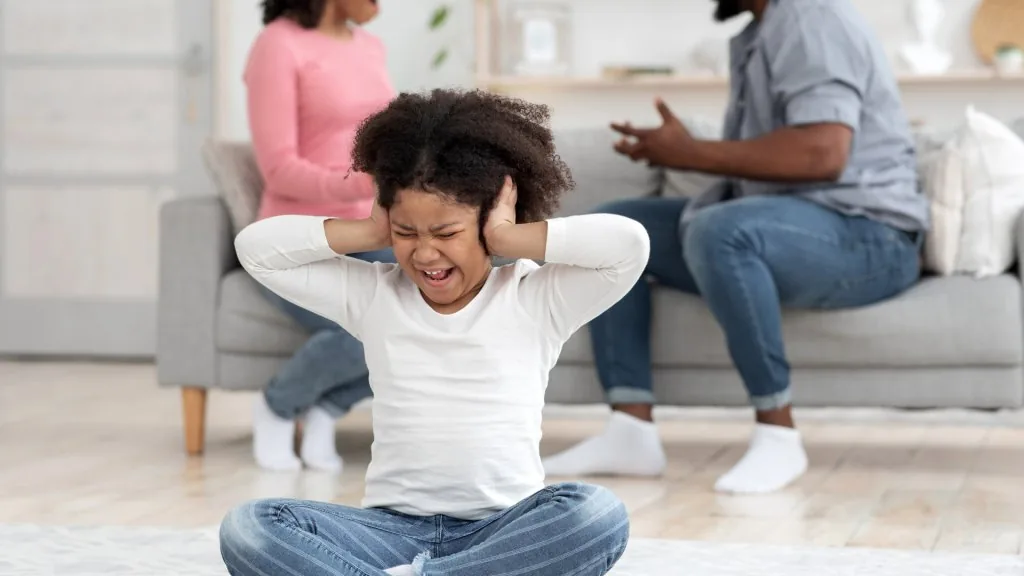
Traumatic experiences during childhood, like neglect or abuse, can have a profound impact on attachment styles. When parents are inconsistent or unpredictable in their behavior, it often leads to a fearful-avoidant attachment style.
2. Disrupted attachment.
A child nurtured by a primary caregiver who offers comfort and fear causes disrupted attachment. This leads to a fearful-avoidant attachment wherein a child learns both approaches, seeking and avoidance, at once.
3. Inherited traits.
It has been proposed that genetics play a role in determining an individual’s attachment style. Some inherited characteristics make a person more likely to have a fearful-avoidant attachment style.
4. Interpersonal relationships.
People who have gone through emotional pain or traumatic experiences in their past relationships are more likely to develop a fearful-avoidant attachment style. This style is characterized by a reluctance to engage in close relationships and a tendency to withdraw emotionally or physically when such relationships are pursued.
[see_your_soulmate_promo]
Ways To Deal With Fearful-Avoidant Attachment Style
As challenging as it may sound, a relationship between two fearful avoidants can work. Here are some steps you can take:
1. Seeking support from a therapist.

Couples should consider therapy as it will allow them to identify their attachment styles, go over emotional wounds, and move toward healthier relationship patterns. This is true whether it involves couples therapy or one-on-one sessions. An online psychic reading can be one of the convenient ways to seek advice from relationship experts.
2. Developing self-awareness.
One of the best practices to achieve greater self-awareness is practicing mindfulness, which will help you understand your emotions, thoughts, and reactions more clearly. This will help you recognize your triggers and work towards a less reactive response. Incorporating mindfulness into your everyday life is worth it to live a healthier and more complete existence.
3. Practice self-care.
Each partner should focus on caring for themselves and practicing compassion. This would help them strengthen their relationship.
5. Communicate openly with your partner.
Communication should be open and honest in relationships between fearful avoidants. Sharing your fears, concerns, and vulnerabilities can help create a safe space where both partners support one another.
Final Thoughts
Navigating a relationship where both partners are fearful avoidants presents unique challenges, yet it also offers a rare opportunity for growth and understanding. By embracing vulnerability, communicating openly, and committing to personal and mutual healing, these partnerships can transform into sources of strength and intimacy. It’s a journey not just towards each other but towards becoming more secure and loving individuals.
Do you believe in soulmates? Order a soulmate sketch to see what yours looks like.
[see_your_soulmate_promo]
Frequently Asked Questions
Is it possible for two fearful avoidants to maintain a stable relationship?
Two fearful avoidants can enjoy a successful relationship if they are self-aware, empathetic, and committed to transforming their attachment styles.
Will therapy help two fearful avoidants in a relationship?
Therapy can assist fearful-avoidant individuals in dealing with underlying trauma, improve their relationship dynamics, and manage their attachment styles for improved relationships.
Do two fearful avoidants present any unique challenges when involved in a relationship?
Two fearful avoidant relationships have various communication problems and emotional unbalances, with a pattern of pull-push behavior by being afraid to be abandoned. But with commitment and the right approach, couples can overcome these difficulties.
Related Articles
Finding Peace In a Relationship
Common questions
What causes fearful-avoidant attachment?
It often develops from inconsistent or frightening caregiving in childhood, where comfort and fear came from the same source. Past relationship trauma and, some researchers suggest, temperament can also play a role.
What are the signs of fearful-avoidant attachment?
Common signs include sending mixed signals, pulling away right after getting close, inconsistent emotional availability, and a strong fear of both intimacy and abandonment at the same time.
Does therapy actually help fearful avoidants?
Yes. Individual or couples therapy can help each partner understand their attachment patterns, process the experiences behind them, and build steadier ways of relating.
How do we stop the push-pull cycle?
Name the pattern out loud when you notice it happening, practice self-soothing before reacting, and commit to talking through the fear instead of acting on the urge to withdraw or cling.