
Psychic
Understanding the Spiritual Significance of Snakes
Explore and tap into the deep-rooted spiritual significance of snakes and their enigmatic presence in our lives.

Are you wondering about the spiritual significance of snakes?
Snakes are viewed with a mix of awe and fear. They symbolize many things – from rebirth and transformation to healing and wisdom. You are in the right place if you want to figure out the spiritual significance of snakes.
In this article, our online psychics will break down the rich and diverse meanings of seeing snakes.
What Do Snakes Symbolize Spiritually?
There are several reasons you may be seeing snakes. They include:
1. Healing.
Healing is one of the spiritual symbolism of snakes. The Rod of Asclepius, for instance, is a well-known symbol of medicine that features an intertwined snake on a staff. This symbol represents rejuvenation, regeneration, and the restoration of health. When a snake sheds its skin, it represents the power of renewal and transformation. Thus, their association with healing is rooted in their ability to let go of the old and embrace the new.
2. Wisdom.
Snakes are revered as sacred beings with divine wisdom. They are also considered wise creatures in folklore and mythology due to their mysterious and calculated movements. The image of a snake coiled around a tree is deeply ingrained in our collective consciousness, symbolizing wisdom and knowledge. The serpent’s ability to navigate its surroundings without limbs is a testament to its intelligence.
3. Protection.
Snakes are symbols of protection. In ancient Egypt, for instance, the cobra was worn by pharaohs as a crown to show authority and protection against evil forces. The bite of venomous snakes served as a warning to potential threats. This emphasizes their role as guardians.
4. Stealth.
Snakes are also associated with stealth, owing to their inherent ability to remain unseen. In many cultures, they are believed to possess supernatural powers of disguise and deception. Their surreptitious movements and camouflage abilities make them symbols of secrecy and stealth. This symbolism highlights the importance of vigilance and caution in navigating life’s challenges.
5. Charm.
The concept of ancient snake charmers has existed in various cultures for centuries. The performers use movement to captivate and control live snakes. This practice is often associated with the allure and magnetism of snakes, which have a mesmerizing effect on individuals due to their graceful movements and perceived seductive nature.
6. Rebirth.
Snakes carry a symbolic meaning of rebirth and renewal. People see the shedding of skin by snakes as a representation of personal growth and transformation. It signifies the abandonment of the past and letting go of what is no longer needed. The connection with rebirth and renewal is a powerful reminder of the cyclical nature of life and death, and people consider snakes as divine creatures that guide them through this process.
7. Eternity.
The symbolism of eternity has been attributed to snakes by ancient civilizations. Snakes were believed to be closely associated with cosmic forces and the eternal nature of existence. Their ability to shed and renew their skin emphasizes their connection to the infinite. The absence of limbs on snakes further accentuates their embodiment of eternity. As such, snakes symbolize the continuous cycle of life, death, and rebirth.
Spiritual Significance of Snakes Across Different Cultures
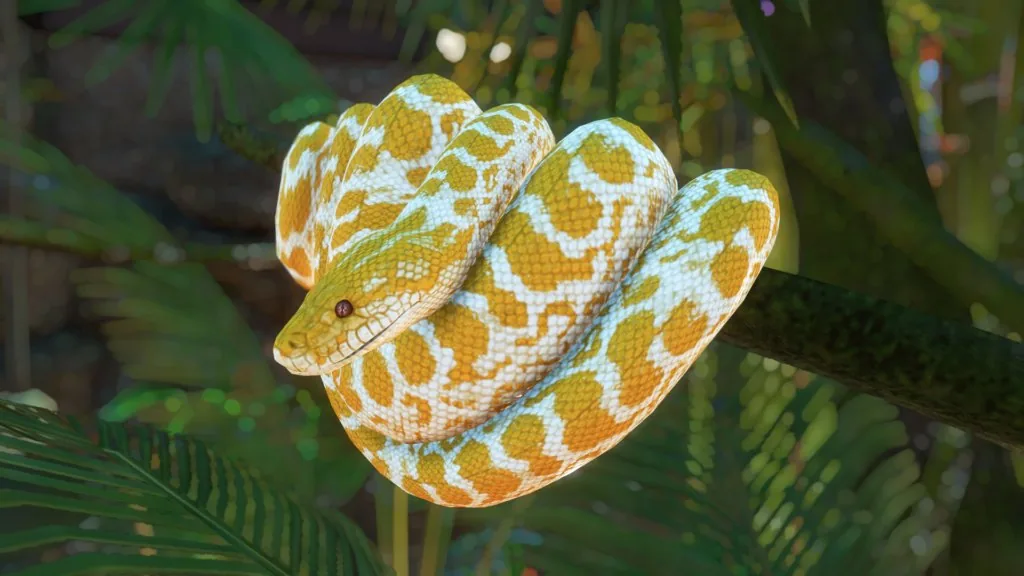
The symbolism of snakes in various cultures is diverse and multifaceted. The following are the diverse meanings attached to snakes in multiple cultures:
1. Native American snake meanings.
In Native American cultures, snakes are significant in mythology and symbolism. They are regarded as symbols of transformation. Also, the Cherokee snake symbolism brings about spiritual change and possesses healing powers. Some Native American tribes associate snakes with fertility and abundance.
2. Snake meanings in Aztec and Maya culture.
The cultures of the Aztecs and Mayas hold snakes in high esteem as powerful and divine creatures. The feathered serpent, Quetzalcoatl, is a central deity in their belief systems. It is a powerful creator god representing knowledge, wisdom, and cosmic balance.
3. The Rainbow Serpent in Aboriginal Australian culture.
Similarly, in Aboriginal Australian culture, the Rainbow Serpent is considered an ancient creation deity that created the land and waterways. It is believed to be a protector and giver of life, symbolizing fertility, abundance, and life cycle. The Rainbow Serpent’s colorful presence is seen as a representation of harmony and balance in nature.
4. Spiritual significance of snakes in Japan.
The Japanese culture views snakes as auspicious creatures that bring good fortune. This is particularly true about the white snake which is believed to be a messenger of the gods. It is also considered a guardian of sacred places, representing longevity and wisdom. The snake’s ability to shed its skin symbolizes personal growth and spiritual transformation, which is highly regarded in Japanese culture.
5. Snake symbolism in China.
In Chinese culture, people associate snakes with wealth, power, and wisdom. They highly regard the Year of the Snake, which is included in the Chinese zodiac and symbolizes prosperity and abundance. Additionally, they believe that snakes possess strong intuition and intellectual understanding.
6. Spiritual significance of snakes in India.
In Indian culture, the revered snake deity, Nagas, embodies fertility, protection, and wisdom. People believe that Nagas reside in underground realms and possess the power to control the rain and bring prosperity. They regard Nagas as guardians and punishers who can bestow blessings and curses.
7. Snake and serpent symbolism in Buddhism
In Buddhism, snakes are often representations of divine wisdom and enlightenment. A snake shedding its skin is a powerful metaphor for transcending the cycle of birth and death, symbolizing spiritual transformation. The Naga, a mythical serpent-like creature, is also revered in Buddhist mythology and represents both danger and protection.
7. Snake meanings in ancient Egypt.
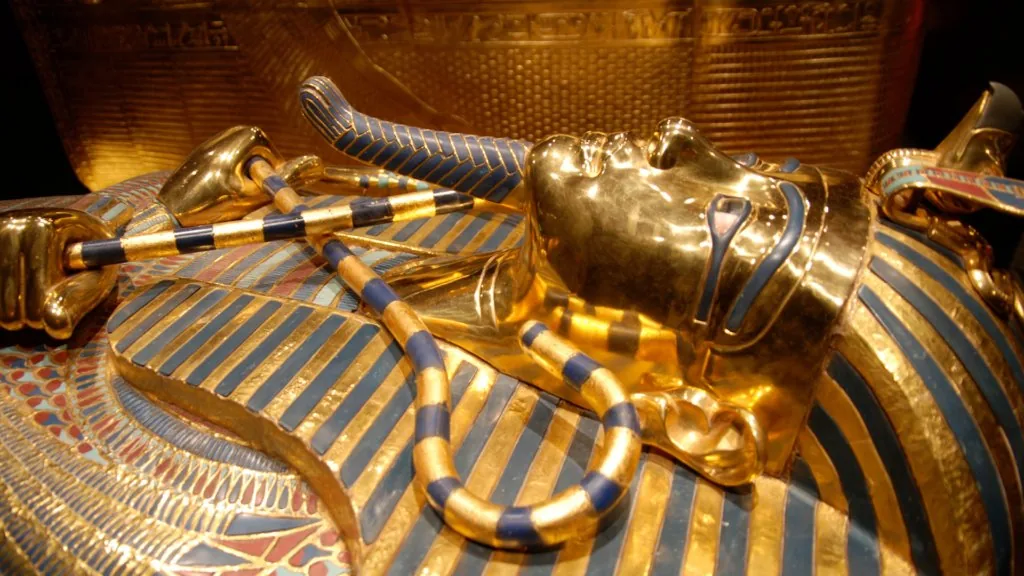
In ancient Egypt, snakes held a complex and multifaceted significance. The uraeus, a cobra, symbolized protection and divine authority and was often depicted on the crowns and pharaohs. Snakes were also associated with the goddess Wadjet, representing healing and fertility. However, serpents could also embody chaos and destruction, as seen in the great serpent Apep.
Snakes As Spirit Animals
In many spiritual traditions, the snake or serpent is seen as a powerful spirit animal. If you are drawn to snakes or frequently encounter them, it may be a sign that the snake is your spirit animal. The snake spirit animal embodies transformation, healing, and wisdom. It encourages individuals to explore their intuition and tap into their inner power.
Snake As Totem Animals
As a totem animal, the snake represents primal energy, rebirth, and transformation. It reminds us to shed our old skin and embrace growth and renewal. The snake totem animal symbolizes healing and the ability to navigate challenges gracefully and resiliently.
Snakes As Power Animals
Many believe the snake embodies intuition and heightened awareness, enabling individuals to tap into their inner wisdom and embark on their spiritual journey. It represents transformation, as it can shed old patterns and embrace new beginnings.
Snake Tattoo Meaning
The significance of snake tattoos varies across cultures and traditions. In some cultures, they have been associated with healing and transformation, while in others, they symbolize protection or fertility. At times, they may represent rebirth, renewal, and the cycle of life. Additionally, snake tattoos may embody the duality of life, with the snake portrayed as both a force of destruction and a symbol of healing.
What Does Dreaming of a Snake Mean?
Dreams involving snakes can hold deep spiritual meaning. They may represent transformation, hidden wisdom, or subconscious fears. Paying attention to the context of the dream and the emotions it evokes can provide insights into an individual’s spiritual journey and personal growth. You can also get a reading on our free psychic reading app to get an expert’s interpretation.
Final Thoughts on the Spiritual Significance of Snakes
The spiritual significance of snakes spans across cultures and eras. These creatures, often misunderstood, hold deep symbolic meanings, from transformation and healing to wisdom and protection. In embracing the many facets of their symbolism, we not only deepen our understanding of snakes but also enrich our own spiritual perspectives.
Are you looking for answers to life’s puzzles? Get a free yes/no tarot reading. You can also order a soulmate sketch to receive a drawing of your soumate.
Frequently Asked Questions
Are snakes universally seen as symbols of spirituality?
The symbolism of snakes differs across cultures and belief systems. While some view them as divine agents or symbols of wisdom, others connect them with a hostile nature. It’s essential to consider the specific context when interpreting the meaning of snakes.
How can I differentiate between positive and negative interpretations of snake symbolism?
The interpretation of snake symbolism as positive or negative depends on the cultural and spiritual context. Some view snakes as representing healing, change, and spiritual awakening, while others associate them with danger, deceit, or evil. It’s essential to consider the overall context and cultural perspective to understand the intended meaning.
Can anyone work with snake energy and symbolism?
Working with snake energy and symbolism is a personal choice. If you feel connected to their energy, you can incorporate it into your spiritual practices with respect and an open mind.
Related Articles
Spiritual Significance of Cutting Hair