
Tarot
Vedic Astrology Vs. Tarot Reading: Exploring The Differences
Vedic Astrology Vs. Tarot Reading? Explore the similarities and differences between these two practices for clarity and guidance.
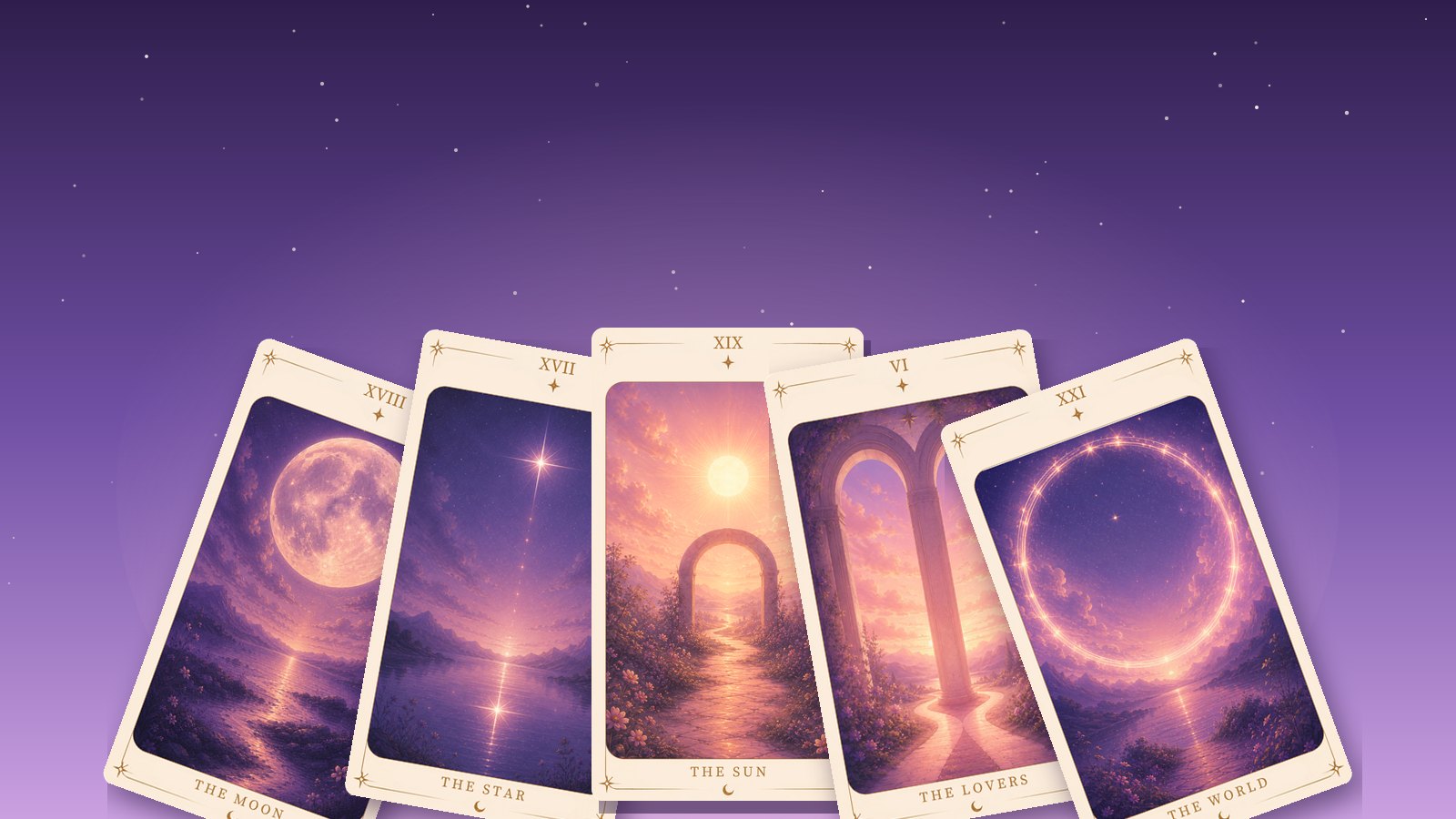
Vedic astrology vs. tarot reading: Which is better?
There are various ways to gain insight and understanding in our lives, and two of the most popular methods are tarot reading and Vedic astrology. Each approach provides a unique perspective on understanding ourselves and our world.
In this article, our online psychics will explore the differences between these two practices and how they can provide clarity and guidance.
What Is Tarot Reading?

A tarot card reading is a form of fortune-telling or divination using a deck of tarot cards. In a reading, the reader, often a psychic or a person trained in tarot, lays out cards in a specific pattern called a tarot spread. Each card in the deck has its own imagery and symbolism. Depending on its position in the spread, it can represent different aspects of your life, like love, career, or future possibilities.
Additionally, the reader interprets the cards based on their meanings, their positions, and their relationships to one another. People often seek tarot readings for guidance, insight into a situation, or to explore potential outcomes of their decisions. In today’s world, online psychic readings have made tarot reading more accessible because of the increasing accessibility of technology.
How Does Tarot Reading Work?
During a Tarot Reading session, the reader shuffles the deck and requests the querent to choose cards. The tarot reader then proceeds to interpret the card’s meaning and their relationships with one another to provide guidance and insights. Tarot Reading can be performed in person or remotely and can guide anyone seeking answers. The practice can offer a unique and insightful perspective on life, and many individuals find it valuable for personal growth and development.
What Is Vedic Astrology?
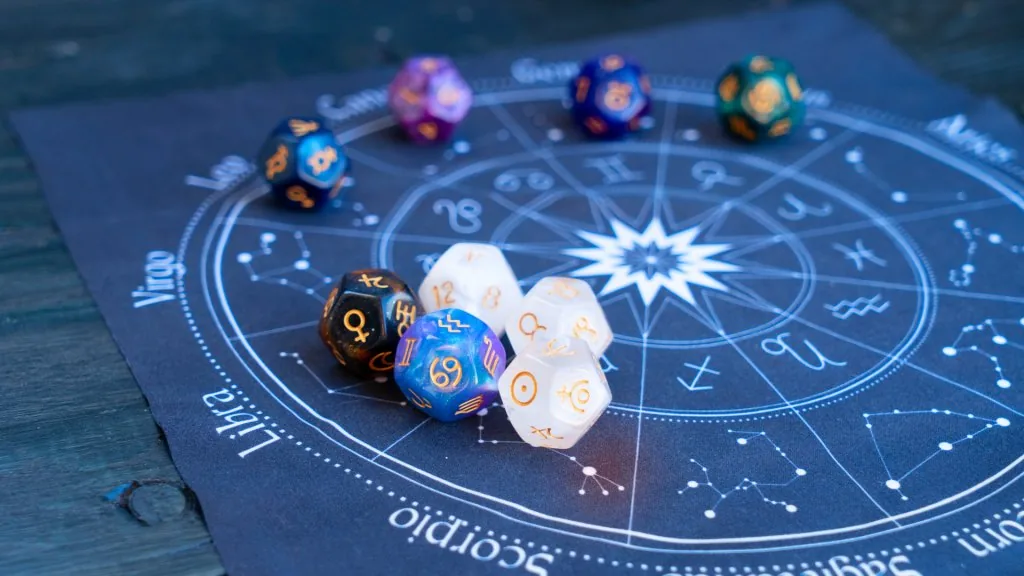
Vedic Astrology, known as Jyotish, is an ancient astrological system that originated in India. It is an all-encompassing approach that seeks to understand both life and the universe by integrating aspects of astronomy, mathematics, and spirituality. The system is founded on the belief that a person’s astrological chart, created by observing the planet’s positions at birth, can provide a comprehensive understanding of their life.
How Does Vedic Astrology Work?
To analyze an individual’s astrology chart, Janam Kundli, an astrologer in Vedic astrology, examines the planet’s position at its birth. The chart serves as a blueprint of one’s life, and through its interpretation, an astrologer can provide insights into various aspects of life. This includes but is not limited to, career trajectories, interpersonal relationships, and personal growth. By analyzing one’s astrological chart, This form of astrology offers valuable past, present, and future insights.
What Are the Differences Between Vedic Astrology and Tarot Card Reading?
Vedic astrology and tarot tard reading are both methods used for gaining insight and guidance, but they differ significantly in their approach and principles:
- Origin and history: Vedic astrology, also known as Jyotisha, originates from ancient India and is part of a broader system of spiritual knowledge. On the other hand, tarot card reading has its roots in 15th-century Europe and was initially used for playing games before evolving into a tool for divination.
- Tools and Techniques: Vedic astrology uses a person’s birth chart, a map of where planets and zodiac signs were located at birth. Tarot card reading involves a deck of 78 cards for gaining insights based on their arrangement and interpretation.
- Focus and approach: Vedic astrology is deeply tied to an individual’s life path and destiny, focusing on understanding and predicting life events based on planetary positions. Tarot card reading is more about the present moment, offering guidance and reflection on current situations, challenges, and choices.
- Predictive vs. intuitive: Vedic astrology is more predictive, providing a structured analysis of a person’s life based on astronomical calculations. Tarot readings are more intuitive, relying on the reader’s interpretation of the cards and how they relate to the person being read.
- Cultural and spiritual context: Vedic astrology is intertwined with Hindu philosophy.) and spirituality, often including remedies and rituals. Tarot reading, while spiritual, is less tied to a specific religious or cultural practice and is often seen as a more universal tool for personal insight.
Vedic Astrology Vs. Tarot Reading: Which Should You Choose?
Tarot reading and Vedic astrology are potent tools that can provide valuable insights and guidance for individuals seeking to navigate life’s complexities. Ultimately, the practice you choose depends on your preferences, specific questions, and the depth of understanding you’re seeking. Both tools offer unique perspectives and can help you approach life’s challenges more clearly and confidently.
Looking for your perfect match? Consider getting a soulmate sketch today!
Frequently Asked Questions
Can tarot reading or Vedic astrology change my future?
Tarot reading and Vedic astrology don’t aim to alter the future. They provide guidance, insight, and a better understanding of oneself and situations. They help people make informed decisions, take responsibility for their actions, and navigate their life paths.
How accurate is Vedic astrology?
The accuracy of Vedic astrology relies on the astrologer’s skill, the precision of the birth details, and the individual’s willingness to accept the guidance offered. Vedic astrology is a comprehensive system that considers various factors and planetary influences.
How accurate are tarot readings?
The accuracy of tarot readings depends on the practitioner, interpretation, and energy. See them as a tool for guidance, not guaranteed predictions. Accuracy also depends on openness and receptiveness.