
Spells & Magic
Witchcraft 101: Common Magic Types
Do you know the common magic types? This expert guide will teach you everything you need to know about spells, magic, and casting.
Magic Types: There are lots of ways to classify magic. Magic itself is a force. It refers to those energies that hard science has yet to explain. In that regard, what we consider “magic” has changed throughout history. Once science explains a phenomenon, we often no longer consider it magic. Some people use religion to describe what remains a mystery to science.
But these are just ways of understanding the world around us so that we can interact with it according to our intentions. Defining magic is similarly flexible.
The term magic can refer to tapping into magical forces to accomplish tasks—this is what we’ll tackle in this breakdown.
(The term magic also refers to stage magic–an imposing skill set that takes advantage of illusions and sleight of hand but does not engage with magical forces. So we’ll skip that kind of “magic” for now. But still…kudos to Penn and Teller.)
This article will discuss the different magic types and how to practice them. Remember that many of these kinds of magic overlap, and many witches practice multiple types of magic.
Candle Magic
The night is dark, and the surrounding air vibrates with possibility. Light the candles and chant your words in time with the flicker of their flames. Manifest your desires through this magic type.
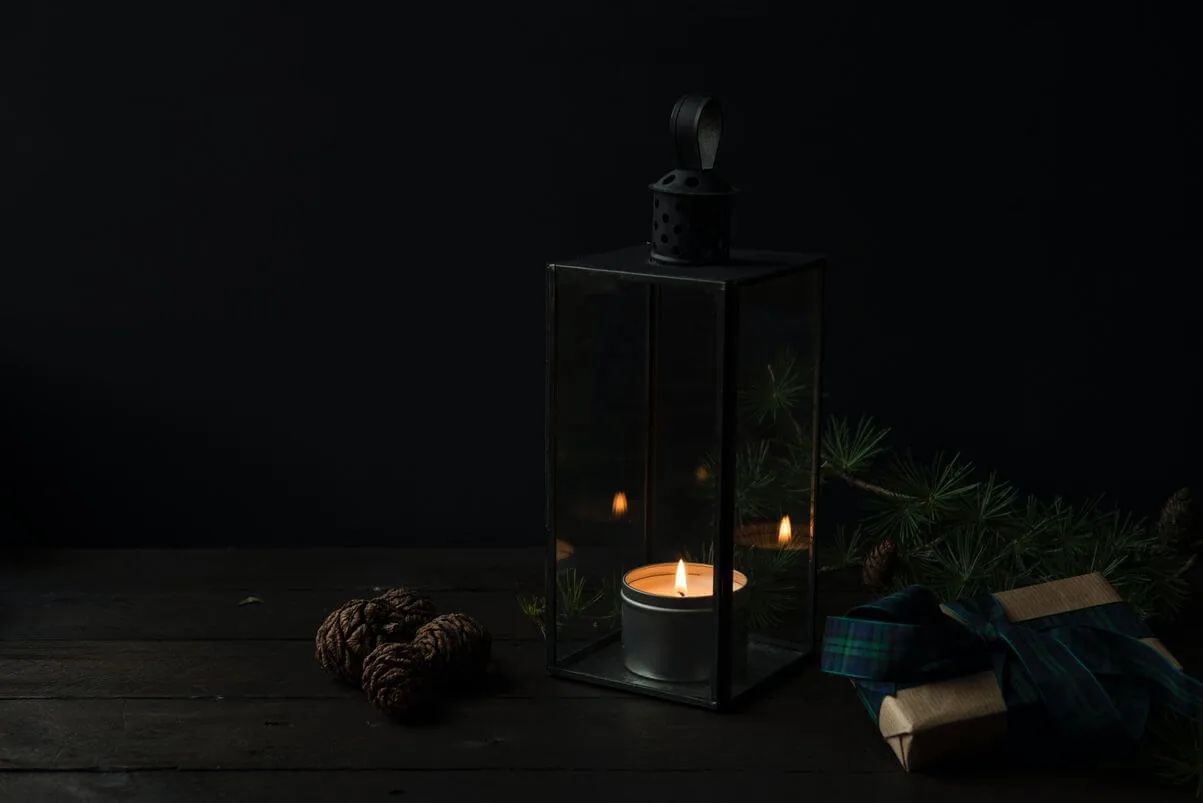
Most witches use candles to assist in spell work, but few use them exclusively. Candles are a manageable way to invoke the element of fire. Heat is a transformative force that can burn or melt, depending on its intensity. This makes candle magic an effective way to symbolize all sorts of transformations.
You can make or purchase candles made with essential oils and herbs, which imbues them with additional power and symbolism. They also come in various colors–red candles are great for love spells, while white candles help with cleansing spells.
Candles also produce light, representing awareness, clarity, and enlightenment in the face of dark forces.
Since candles are inexpensive and easy to access, candle magic is one of your witchcraft arsenal’s most influential and versatile tools.
[[
](https://therelationshippsychics.com/wp-content/uploads/2023/11/PsychicsDraw-1200-×-300-px.hevc_.mp4)](https://shop.therelationshippsychics.com/optinskydp5t2)
Folk Magic
They come to you with their ailments and desires, and dreams. An anointed candle for the grieving widow, a love charm for the young girl down the street. Your magic is simple but powerful. You care for those around you; your craft strengthens with every healed spirit.
In this magic type, folk magic, otherwise known as low magic, is a term that applies broadly to practical magic used by the common folk. Unlike ceremonial magic, folk magic does not require formal study. People practice folk magic but might not even consider themselves witches.
This kind of magic has a long history, and it consisted mainly of seasonal rituals used to bring about a bountiful harvest, ensure fertility, and heal brief illnesses.
Folk magic still exists across the world. It originates from many old wives’ tales and basic superstitions, which means it’s present in most people’s lives. Folk magic is an excellent place for new witches to begin their practice.
Herbalism
You grew this lavender on your windowsill. You smell it in your dreams and wake up serene. In the morning, you crush the tiny buds between your fingers into a small vial you’ll gift your friend. “Keep it under your pillow to find peace.”
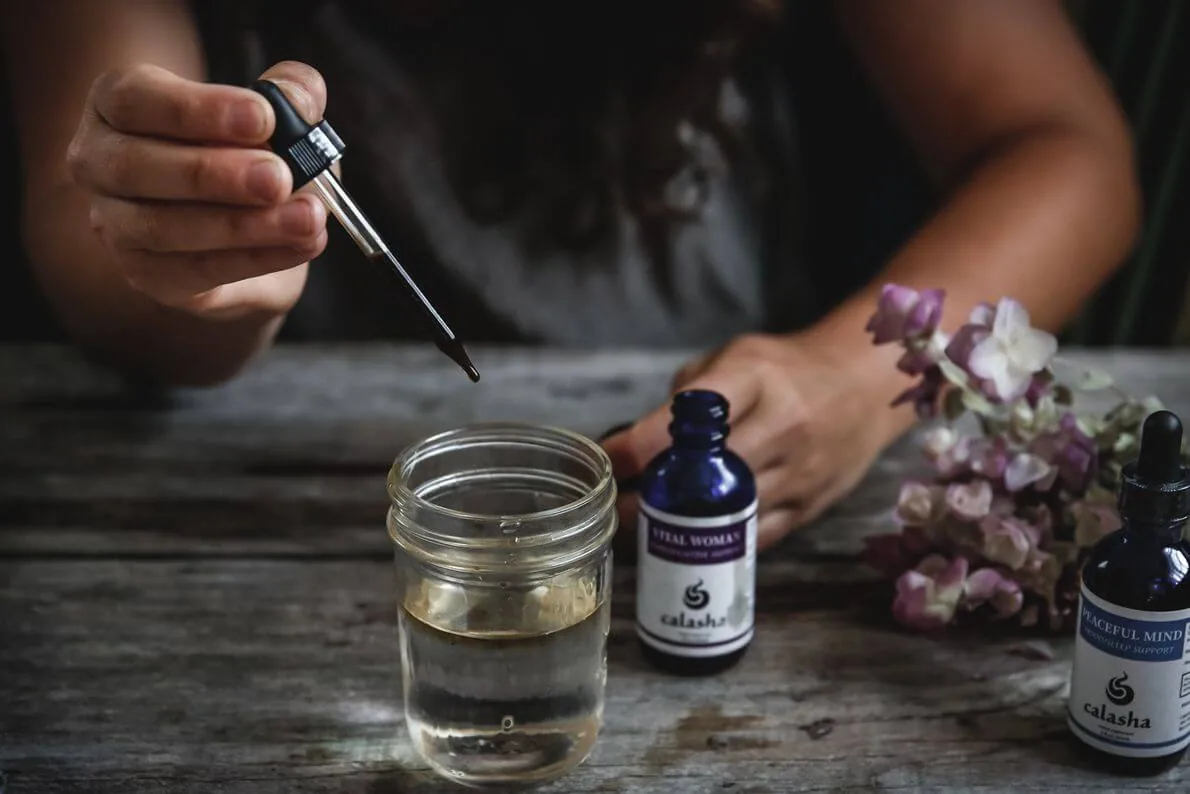
Herbalism is one of the most practical and well-respected magic types because, unlike more supernatural forces, much of herbalism has been scientifically proven effective.
In the past, herbalism and medicine went hand-in-hand. Now, herbalism is understood as an alternative medicine using the natural healing properties of certain plants. But herbalism also has magical properties.
Herbal plants are used in different combinations to enhance a person’s spiritual experience. The practice has long been saturated with myths of magical power which go far beyond physical reality.
Herbalism can be used with other magical practices to supplement and enhance supernatural magics.
Natural Magic
You know these woods. This stream has slaked your thirst, these trees, heavy with fruit, have nourished you. You know which flowers feed the bees; you know they make the honey sweeter. Add it to your love potions, and next season’s young lovers will glow gold with happiness.
Natural magic consists of all magical practices that take their power from nature. Folk magic and herbalism are aspects of natural magic because they don’t require interaction with the supernatural powers of the world. This magic type also requires less spell work–any spells you use in natural magic are usually simple.
Connecting with the world around you is the most effective way to practice natural magic. Start to recognize the patterns of the seasons, how animals react to weather, and the growth process of plants.
Ceremonial/Ritual Magic
The circle is drawn. The cardinal directions are marked. You’ve called upon the Triple Goddess–she’s always benevolent enough to answer. The supernatural powers are at your command with such a patron on your side.
These magic types are most commonly known for their use in black magic, but they can be called upon in white, gray, and some natural magic practices. Ceremonial and ritual magics are high magic because they require a witch to learn skills and use specialized tools. If you need to cast a complex or challenging spell, you’ll need to use ceremonial magic.
Divination
The cards are set before you, a simple spread of three: past, present, and future. Or perhaps you watch the pendulum swing in steady, purposeful ellipses, spelling out your following action. Maybe you take someone’s hand in yours and trace the fine lines across their palm: “You need your freedom.”
Divining magic refers to all practices used to understand hidden knowledge. The most common purpose of divination is to glance into the future. Tarot, rune, palmistry, fortune-telling, psychic readings, birth chart interpretation, pendulum divination, and prophesying are some of the more popular kinds of divination.
This magic type appears in most religions as prophets and oracles attempt to contact divinities and higher powers. But the everyday witch can also practice divination, using tools and magic words to tap into the universal consciousness and guide themselves and others through life.
Elemental magic
There’s a snowstorm on the way. Your neighbors are hunkered down, stocked with food and water, but the stress is palpable. You envision a hearth in each of their living rooms. You call upon the fire that you’ve always been drawn to. “May this flame keep them warm as long as I keep it burning?”
Elemental magic–also called elemental manipulation–is the use and manipulation of the world’s air, fire, earth, and water elements to produce and maintain the magic. Practitioners can use this energy to create magic that has potent effects in reality.
Elemental magic is also useful for manipulating and controlling elements as they appear in the physical world. Witches with expertise in elemental magic can help natural combat disasters. But they can also use the power of the elements to enhance their practice of other magics.
Rune Magic
The stones have been lovingly carved. They’ve been tossed upon the table. What fortune do they spell out for you? What future does such an ancient tongue reveal?
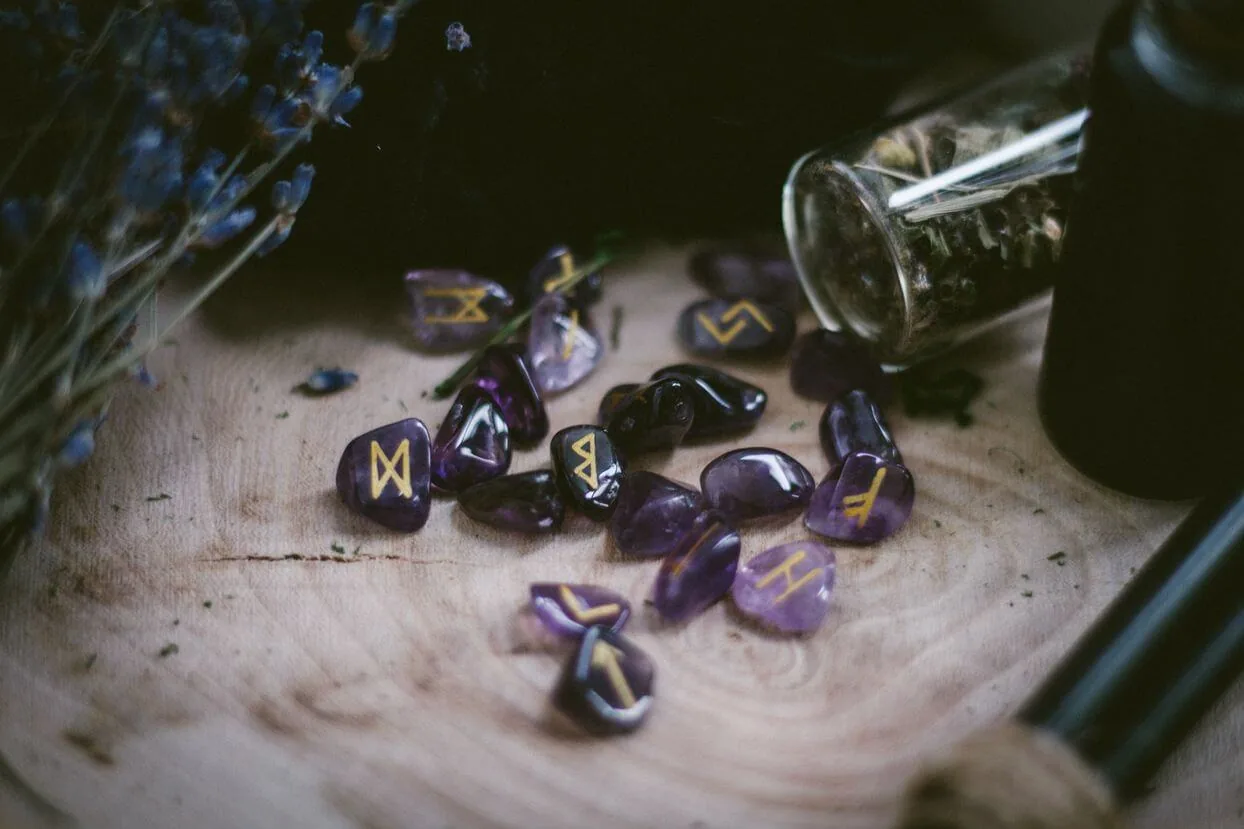
Rune magic is an ancient form of magic used by Northern European tribes. Runes are symbols of an alphabet, wherein each rune represents a phonetic sound and a metaphysical concept. Fehu (ᚠ), for example, is the first rune in the Elder Futhark alphabet. It means the sounds “f” and “v,” as we know them in our English alphabet. But it also represents wealth since it stands for cattle.
In this way, runes can spell words and names, but each letter symbolizes an abstract concept.
Runes can be inscribed on stones to write out a spell. We have found ancient rhinestones with long runic inscriptions carved into them. But we can also carve runes into small, individual stones, which is implemented in divination practices.
Astral Magic
You clear your mind. No earthly worry can touch you in the sacred space you’ve allowed yourself: steady breathing, quiet pulse. You reach the moment just before dreaming when your subconscious takes control. And you leave this place. You will find your answers elsewhere, out in the realm of energy.
Astral magic includes astral projections, travel, and activity on the astral plane. Cosmic space reveals the mysteries of our minds and improves our inter-dimensional vision.
A witch who practices this magic type can travel into the astral universe by relying on the astral plane. The astral plane is not a space but a state of existence. It can be compared to a shadow. Your shadow isn’t made up of matter, but it exists.
The astral plane is like the shadow of this world and is composed of the non-physical components of ourselves–souls, spirits, and energies. It can only be accessed via deep meditation or altered consciousness since it requires your consciousness to leave behind your physical form.
Astral magic involves taking action or altering the astral plane in a way that then alters physical reality. It takes lots of practice and skill but allows for self-improvement.
Sex Magic
The body thrums energy. You’re designed for joy and pleasure, to touch and be touched. Like a well-told story, every move and word builds toward and leads toward a pinnacle—a peak. And at the climax, all is laid bare. The resolution is in the come-down.
Many people would argue that a satisfying orgasm is an otherworldly experience. Even mere arousal can feel like magic at work. Sex magic uses these intense sensations and deep connections to transcend the physical world. Often, the orgasm itself is the moment in which the desired effect of your pursuit is achieved.
Because of certain cultural taboos surrounding sex, this type of magic is often considered a component of black magic and occult activity. But it can be used effectively in white magic as well. As with all magical pursuits, intention makes all the difference.
Sex is one of the universal experiences across cultures. It embodies and connects us back to nature since it’s not an exclusively human impulse. This makes it an excellent means of empowering our magical practice.
Alchemy
The world is your laboratory. What does not exist can be made to exist at the ends of your fingertips. Look at the spread before–vials and jars glinting in the candlelight. Formulas are written like sacred prayers and magic spells. What is chemistry, if not magic, explained?
Alchemy is the process of re-purposing natural substances to create new meanings. Before scientific enlightenment, introductory chemistry seemed like magic. In ancient and medieval times, all processes that turned one kind of substance into another could have fallen under the label of alchemy.
Now, we better understand the science that turns a liquid into a gas. But there are still practitioners who believe that alchemy has the power to transform materials in ways that science cannot.
Perhaps the most famous goal of alchemy through the years has been to turn lead into gold. However, witches may regard their potion-making as a kind of alchemy. Using any commonplace material with a process turns it into something valuable called alchemy, including your witchy brew.
White Magic
When we hear white magic, we know that this magic type’s used for good. It is self-sacrificing and calls upon supernatural abilities to fix, heal, improve, or otherwise serve those who cannot manipulate magic. Compelling practitioners of white magic spend years perfecting their craft.
It is a noble pursuit but very demanding. It goes beyond the generosity of folk magic since it often involves confronting evil forces.
Gray Magic
Gray magic falls somewhere between white and black magic. Witches who practice gray magic usually have excellent and moral intentions but are willing to engage in some black magic practices to attain their goals.
Many witches believe gray magic is a kind of white magic with a more flexible morality.
Black Magic
This magic type(sometimes called dark magic) is an umbrella word for several forms of magic. Black magic witches draw power from many elements deemed dangerous and taboo. Because they are willing to use any magical means to achieve their goals, practitioners of black magic often engage in harmful activities.
A black magic witch is willing to place curses, summon dark forces, and engage with demons to cast effective spells. In our Western culture, many believe that all witchcraft is black magic. That isn’t the case.
This is not to say that black magic is inherently evil. Magic has no morality–it simply exists for us to act upon. The character contains within each witch.
Necromancy
Necromancy is one of the most controversial kinds of magic to practice. It calls people out of the spiritual realm to use or communicate with them.
Summoning spirits to speak to them is technically necromancy, but it is not typically harmful when practiced with respect.
Other forms of necromancy are much more dangerous since they involve bringing the spirit of a dead entity back to some form of life. The most extreme form of necromancy would be the belief in zombies. While we think zombies are rotting corpses on The Walking Dead, some folk magics believe zombies can be raised to function as soulless, personal slaves.
Regardless, the argument against necromancy is simple. Death is part of our life cycle; we will respect it, not meddle.
Conjuring
Otherwise known as demonic magic, conjuring is another controversial type of magic because it summons evil spirits.
Not all witches believe that demons exist. Demons are typically a function of religious belief, and many witches practice secular magic. But most witches agree that evil forces exist, and interacting with them is risky.
Conjuring assumes that demons are real and called upon to help a witch with their practice. Perhaps a witch wants to curse someone. Maybe they need the added power of a demon’s magic. Either way, a demon will not give anything without asking for something in return. They usually ask for something tremendously valuable, like a life or a soul. Herein lies the danger of conjuring.
Cultural Magic
Magic is a fundamental element of religious beliefs across the world. As such, it’s essential to recognize that some magical practices are only accessible to people granted the right to learn them. In some instances, magic must be inherited through family. In other cases, magic must be passed on to an apprentice via a master.
Even though cultural magic may seem attractive to you, you do not have permission to practice it. You should connect with a practitioner first if you want to practice artistic magic.
Voodoo
Voodoo is a religion whose beliefs stem from the West African Vodun religion. It has influences from Catholicism and indigenous Caribbean religions. It is a “New World” religion with old results but varies across countries and communities.
Because of popular culture, you probably think of voodoo dolls and animal sacrifice when discussing this religion. But those are over-simplifications, and voodoo is not simply a brand of magic. It is a religious practice.
Shamanism
Shamanism refers to a religious practice in which a shaman interacts with the spirit world by entering a trance-like state. The exact methods of a shaman and how they achieve their trances vary from culture to culture. Westernized New Age practitioners adopted components of shamanism in the mid-20th century. However, within a community, a shaman holds a position of great reverence and honor. Practicing shamanism without indigenous practitioners’ expressed support and consent is typically frowned upon.
[[
](https://therelationshippsychics.com/wp-content/uploads/2023/11/PsychicsDraw-1200-×-300-px.hevc_.mp4)](https://shop.therelationshippsychics.com/optinskydp5t2)
Looking to chat with a psychic now?
Connect with our psychics right away by installing our app Mystica Psychic Readings.