
Spells & Magic
Yule: How to Celebrate the Wheel of the Year
A comprehensive guide to celebrating Yule. How to incorporate Yule into your craft and decorate your altar.
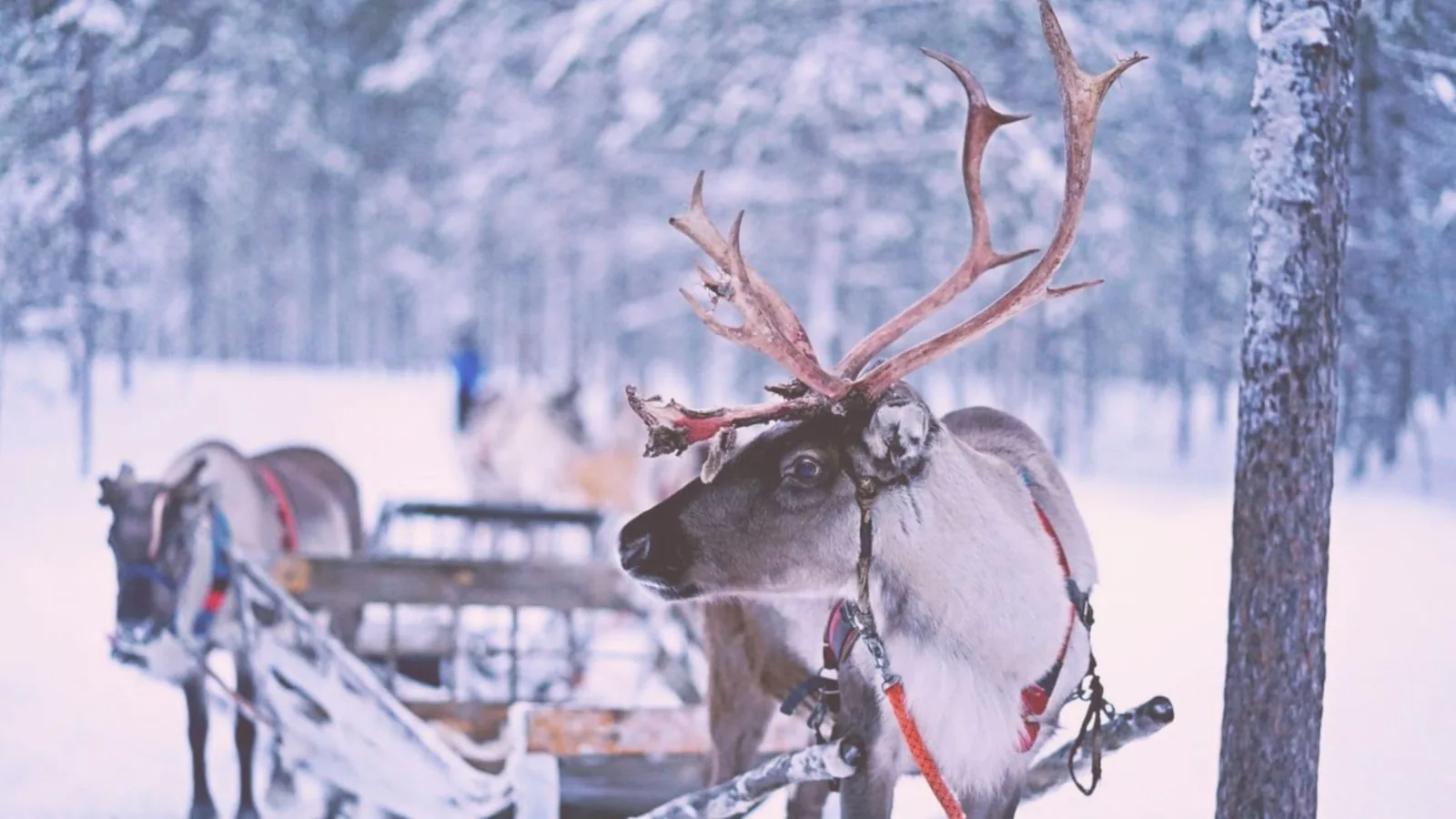
Yule. The winter solstice.
According to pagan traditions, every year is part of a tremendous seasonal cycle. The magic and power of the world come from nature’s never-ending shifts from one season to the next.
Even modern, non-pagans recognize the change in seasons all over the world. It dictates what we can do at any given moment in life. While the seasons will pass on without our interference, observing and enjoying them can be healing and helpful.
The result: the seasonal pagan holiday.
Cultures and religions worldwide believe properly welcoming or saying goodbye to a season can bring abundance, peace, fertility, happiness, and luck. Some even believe that proper celebration of seasonal holidays can prevent the wrath of the gods and stave off misfortune.
Modern pagans have incorporated this idea into their observation of the passing seasons and marked the year with eight sabbats.
You can read more about this Wheel of the Year in our overview article, but here, we’ll venture in-depth into Yule.
[[
](https://therelationshippsychics.com/wp-content/uploads/2023/11/PsychicsDraw-1200-×-300-px.hevc_.mp4)](https://shop.therelationshippsychics.com/optinskydp5t2)
What is Yule?
Astronomically speaking, Yule marks the winter solstice. This is the day of the year when the night lasts the longest and the day is the shortest.
For the northern hemisphere, this falls somewhere between December 20th and 23rd. (Like all wheel of the year holidays, observers in the southern hemisphere should jump ahead six months and observe according to their corresponding season.)
This is also the point at which the sun begins its ascent–from here on out, every day will be a bit longer than the last until we reach maximum daylight hours in the middle of summer.
For people who celebrate, Yule is a time to rest and generate hope for the light’s return. It’s the dead middle of winter–as cold and as dark as it gets–, but that means things can only improve. Yule is a season that celebrates our ability to survive.
Yule Folklore
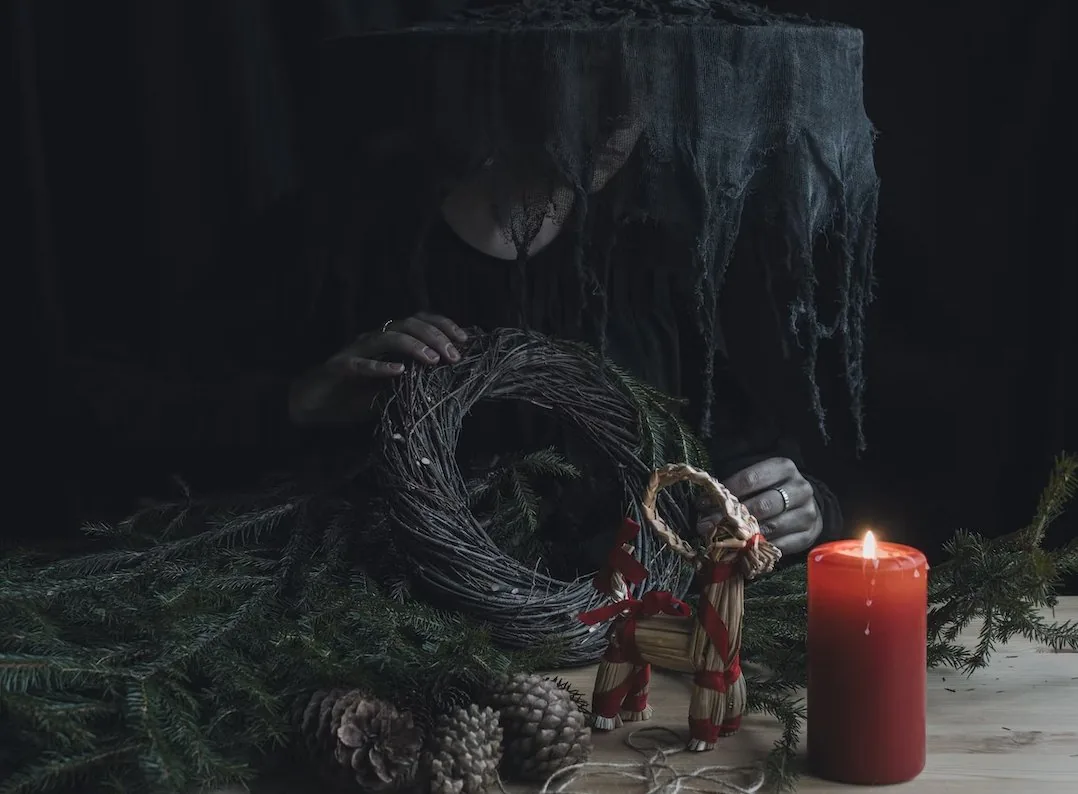
It isn’t easy to pin down one clear Yule definition. The truth is, Yule encompasses everything from the midwinter hunt of the Norse and Germanic peoples to the modern-day Christmas season.
The word “Yule” is an Anglicization of the Old Norse “Jōl” and the Swedish “Jul,” which are alternate names for the Norse god Odin. From there, it developed into the old English “geōl” and later the Middle English “yole” to refer to the season itself.
This hearkens back to the Norse midwinter traditions, spanning December and January. While many of these customs developed into the Christmas Christian holiday, their roots are far more pagan than most people realize.
The Wild Hunt
In pre-Christian times, for the Celtic, Norse, and Germanic peoples, the winter solstice and the weeks surrounding it celebrated the wild hunt.
Each culture made slight variations to its versions of the tale. Still, the general story says that the leader of the hunt- often Odin, or some interpretation of a wise, warrior king figure or god- would go on a massive hunt at midwinter.
He would bring his dogs and his great eight-legged horse and ride hard with the spirits of the Other World to chase down his prey.
People Also Ask: Things You Should Know About Dog Psychics
The hunt could be heard but should not be seen. According to the tale, seeing the search take place was a bad omen, sure to bring calamity and tragedy upon you.
In practical terms, this encouraged people to stay inside and content themselves with domestic concerns. The Yule season in Northern Europe could be dangerous, so it was better not to venture out into the cold if you could help it.
Yule Celebrations
The modern pagan celebration of Yule can take many different forms, but a few are absolute classics that practicing witches can benefit from adding to their repertoire. You will likely recognize these from Christmas celebrations if you’ve ever participated in those.
Decorate a yule log
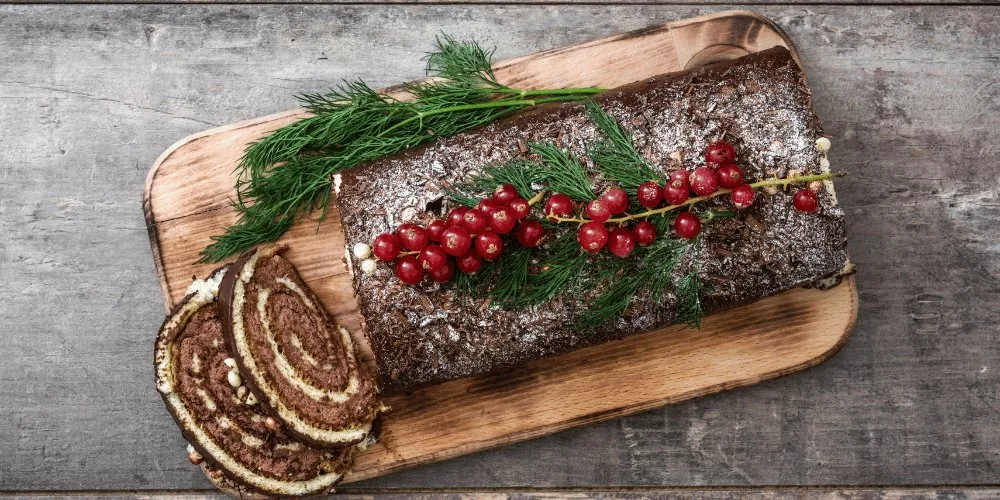
The incorporation of a Yule log can be traced back to fire rituals held by pre-Christian Germanic people. A record would be chosen and lit on fire each night of Yuletide, then tamped out in the morning. At the end of the celebration (the first week of January), the log could be under the bed for good luck and protection.
This would culminate in a tremendous pagan winter feast, often held on what we now recognize as Christmas Eve.
Over time, this has developed into the modern Christmas tree, lit artificially rather than on fire, but serves the same purpose. Its presence in the house marks the Yule or Christmas season.
We recommend a similar decoration, though it doesn’t have to be a Christmas tree, and it certainly doesn’t have to be a massive log that you light on fire each night. Instead, consider something more symbolic.
A smaller tree, a baked Yule log cake, or even a wreath can serve the same purpose. Decorate with pinecones, holly berries, and evergreens to acknowledge that life is worth enjoying even in the season of death and darkness.
Tell a story
Deep down, humans are animal creatures, and the Yule holiday season is a time to do our version of hibernating. We’re designed to stay as warm and sheltered as we can, surrounded by others so that we can satiate our social needs.
Historically, sitting around and telling stories was a great way to pass the time when winter kept you locked up.
Nowadays, we can still go about our daily lives in winter. But those old urges remain, and it’s healing to revisit them.
Take time during Yule to indulge in fantastical stories–this can involve reading books aloud to one another, watching a movie together, or even attending a play or recital.
Make and exchange gifts.

Everyone familiar with Christmas is used to gift-giving, but that particular holiday has become overwhelming.
Try getting into the Yule spirit instead, and make a gift. Limit yourself to how much money you can spend and create or find something meaningful.
Cook for others as a gift! Start some tradition for Christmas Day that values generosity over showmanship when it comes to giving presents to the ones you hold near and dear.
Setting Intentions for Yule
One of the most straightforward and sincere ways to observe Yule and incorporate it into your craft is to set intentions on that day for the next season of your year.
Below, we’ve written out a few intentions you can speak aloud as you observe the holiday.
For Rest
“I call upon no meddling gods but kindly Mother Nature, who sleeps soundly this season. She knows the value of rest. Remember that, for all my human morality and wisdom, my body is an animal and deserves rest. I have more than earned some ease this year, and now I take it without guilt.”
For Renewal
“I call upon the Holly King, eternally battling the Oak King, and thank him for his determination. Through him, the cycle stays alive, and our world proceeds in its never-ending renewal cycle.”
For Joy
“I call upon Bacchus; I call upon the Lord of Misrule. I call upon the Charities and all the divinities who celebrate in our joy and festivity. On this, the darkest night, help me to find joy in the company and kindness of those around me.”
Yule Symbols
When it comes to observing any of the holidays, the most important thing is that you celebrate from the heart. If you don’t have access to the following symbols or decorations, your Yule celebration will not be any less for it; as long as you look up to the sky and thank nature for its blessings, you’re all set.
But if you want to participate in the traditional festivities, here are a few things you can incorporate for an authentic Yule celebration.
Animals
Bear, boar, deer, robin, squirrel, goose, and sow are all symbols of Yule–mainly because they’re the only active animals or traditionally hunted at this time.
Herbs and Flowers
Traditionally, ivy, mistletoe, peppermint, and sage are all in the season. But depending on where you live, any flowers and greenery can be used to show thanks to nature.
Crystals
Bloodstone, emerald, ruby, clear quartz, and diamond capture the season’s spirit. Similarly, red and green, silver and dark blue is the best color palettes for candles and other decorations.
Trees
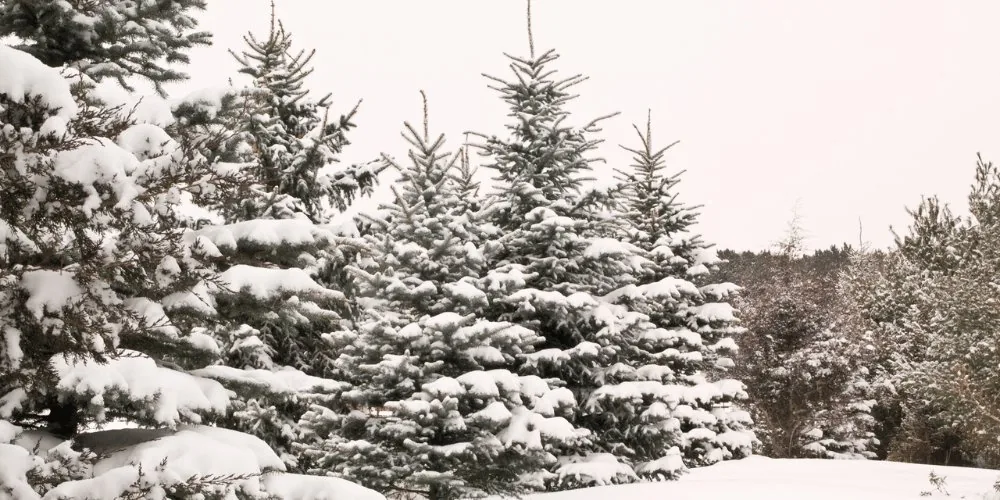
Yule is deeply associated with Chestnut, juniper, holly, fir, and pine. Decorating these trees or decorating your home with leaves, branches, and berries from these trees will empower your observance.
Decorations
Bells, candles, evergreens, holly and mistletoe, pine cones, wreaths, and yule logs can all be incorporated into your decorations. And if you live somewhere that doesn’t get snow, invoking it with paper snowflakes or fake snow can be fun.
Why observe Yule?
No holiday practices are required for a witch looking to hone their craft. Many witches are entirely secular and leave out the premises of divinity and holidays altogether. But magical energy is inseparable from nature, so you will get more effective results if you recognize these seasonal shifts.
Yule teaches us there is light and hope, even on the darkest day.
Wheel of the Year Holidays
Imbolc (February 1st)
Ostara (March 20-23)
Beltane (May 1st)
Litha (June 20-23)
Lughnasadh (August 1st)
Mabon (September 20-23)
Samhain (November 1st)
Yule (December 20-23)
[[
](https://therelationshippsychics.com/wp-content/uploads/2023/11/PsychicsDraw-1200-×-300-px.hevc_.mp4)](https://shop.therelationshippsychics.com/optinskydp5t2)
Looking to chat with a psychic now?
Connect with our psychics right away by installing our app Mystica Psychic Readings.