
Spells & Magic
Samhain: How to Celebrate the Wheel of the Year
A comprehensive guide to celebrating the festival of Samhain. How to incorporate Samhain into your craft and decorate your altar.
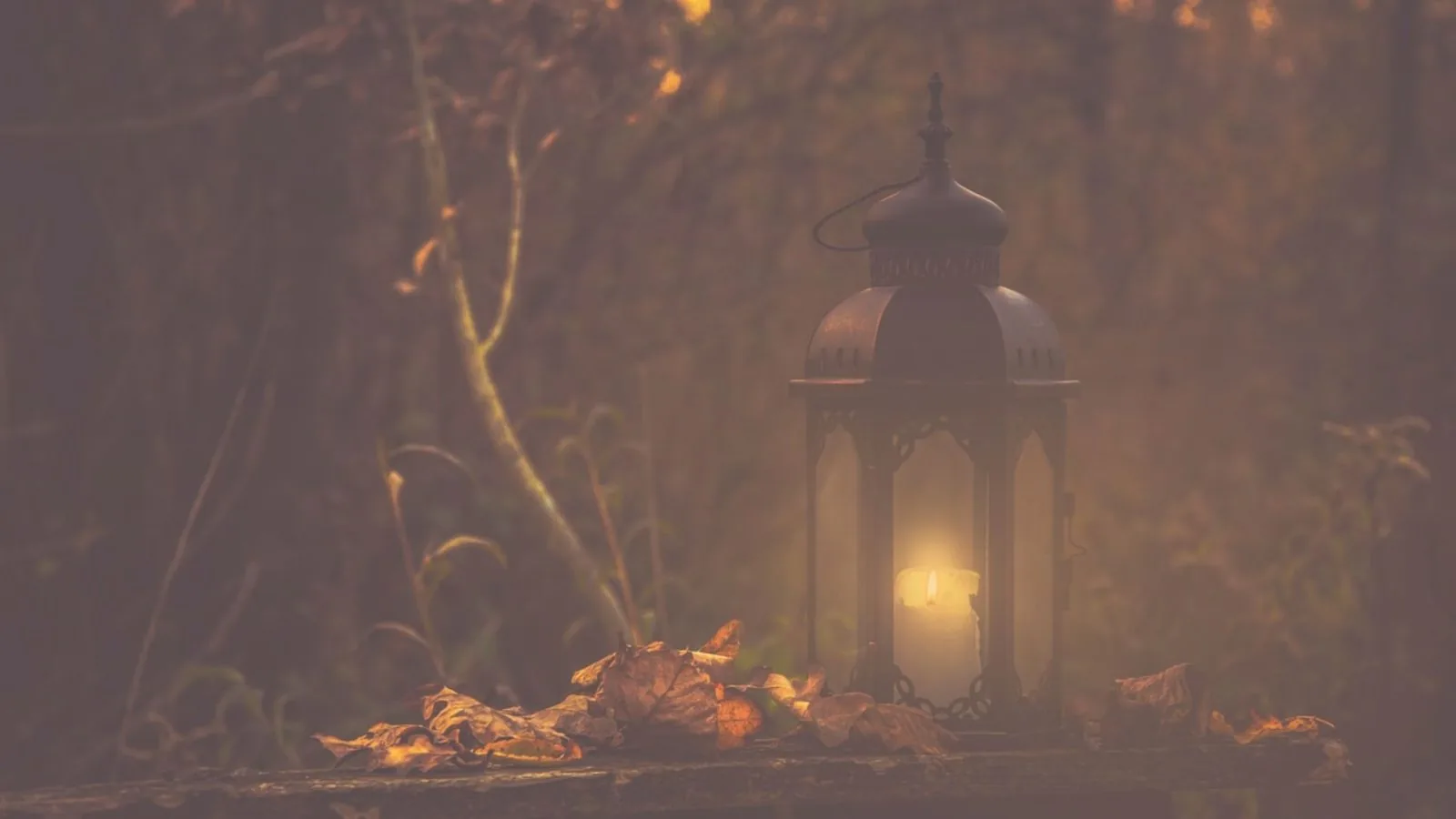
Samhain. The pagan new year.
According to pagan traditions, every year is part of a tremendous seasonal cycle. The magic and power of the World come from nature’s never-ending shifts from one season to the next.
Even modern, non-pagans recognize the change in seasons all over the World. It dictates what we can do at any given moment in life. While the seasons will pass on without our interference, observing and celebrating them can be healing and helpful.
The result: the seasonal pagan holiday.
Cultures and religions worldwide believe properly welcoming or saying goodbye to a season can bring abundance, peace, fertility, happiness, and luck. Some even believe that proper celebration of seasonal holidays can prevent the wrath of the gods and stave off misfortune.
Modern pagans have incorporated this idea into their observation of the passing seasons and marked the year with eight sabbats.
In our overview article, you can read more about this Wheel of the Year, but here, we’ll venture into Samhain.
[[
](https://therelationshippsychics.com/wp-content/uploads/2023/11/PsychicsDraw-1200-×-300-px.hevc_.mp4)](https://shop.therelationshippsychics.com/optinskydp5t2)
What is Samhain?
Astronomically speaking, Samhain is the midpoint between the autumn equinox and the winter solstice.
For the northern hemisphere, this falls on approximately November 1st. (Like all wheel of the year holidays, observers in the southern hemisphere should jump ahead six months and celebrate according to their corresponding season.)
This is also regarded as the Celtic new year. The night is not quite at its longest, but the harvest season is over, and the dark half of the year has begun.
For people who celebrate, Samhain is a time to acknowledge the importance of death and darkness, even as they are not positive aspects of life.
Samhain Folklore
The ancient Celts were revered for the cycle of life and death, and the Samhain festival was one of the year’s most important days. Pronounced “sah-win,” this pagan religious festival originating in the British Isles has since become the basis for modern Halloween traditions.
The Veil Between the Worlds
Like many ancient Celtic festivals, Samhain is celebrated over a few days. But the night before Samhain is the height of the celebration of Samhain.
Ancient Celtic spiritual tradition holds that two worlds exist simultaneously–our living, waking World, and the Other World, or spirit world. This Other World is where the spirits of the dead reside, as well as supernatural figures like the face folk and the pagan gods.
Because of their astronomical importance, all sabbats mark a moment where the veil that separates our World from the Other World is thinner and easier to pass through.
But Irish mythology teaches us that the boundary is the thinnest on Samhain night.
The ancient Celtic festival of Samhain involves honoring the dead–since this is the moment you can most easily communicate with them–and appeasing the otherworldly spirits.
As the dark half of the year takes hold, the last thing you need is mischief or trouble caused by an angry spirit. Celtic mythology encourages us to acknowledge and respect those spirits and their powers.
Samhain Celebrations
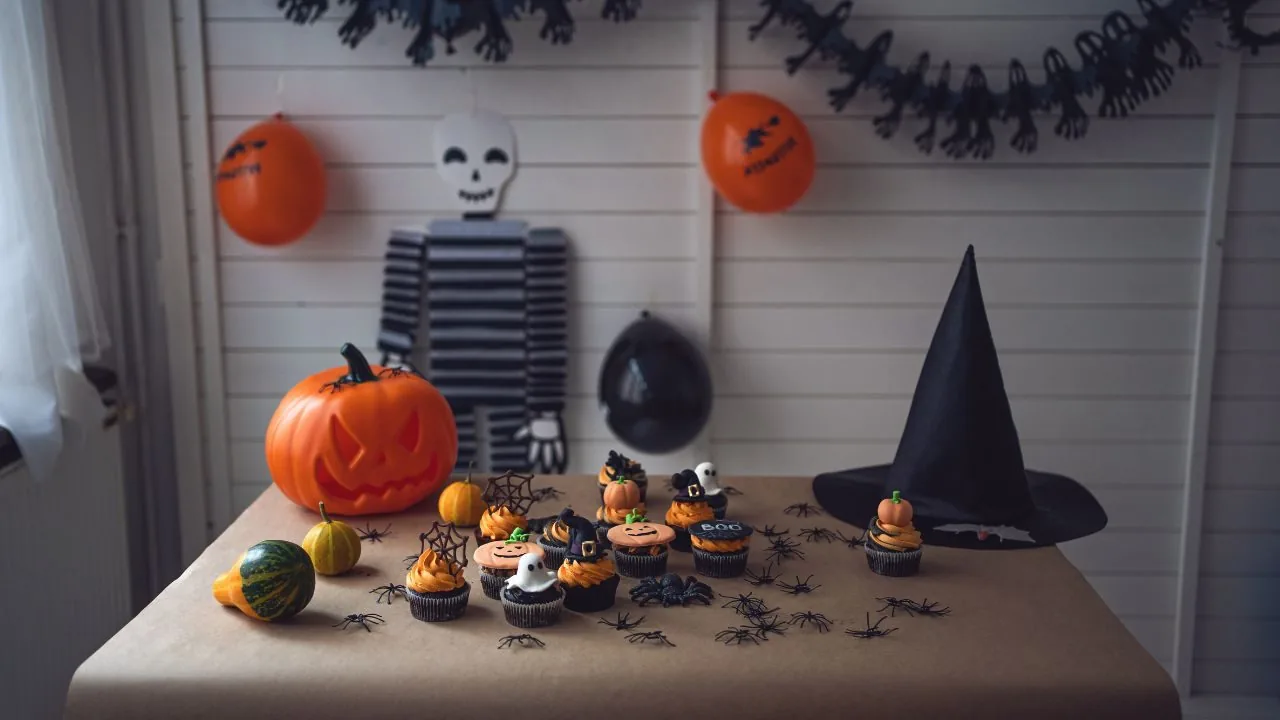
The modern pagan celebration of Samhain can take many different forms, but a few are absolute classics that practicing witches can benefit from adding to their repertoire.
Honor the dead
This tradition is not reserved strictly for Samhain and Celtic traditions. When Christian missionaries encountered the Celtic culture, they blended the pagan ritual with their celebration of All Saints Day, where the dead are honored for their sacrifices and legacies.
If you’ve lost a loved one in the past year, Samhain Eve is the perfect night to speak to them. Talk of your happy memories and what you miss about them, and ask for their continuing guidance and presence.
Alternatively, you can honor endings abstractly. Light a candle, go outside in the dead grass or dried-up leaves, and speak gratitude for the cycle of life and the necessity of death.
Practice divination
Since the veil between worlds is so thin on Samhain, there’s no better time to practice a bit of divination.
And since this holiday is the Celtic new year, it’s also a great chance to ask the spirit world what the next year has in store for you. Rune casting and tarot readings are the most popular kinds of divination, but you can also try a seance where you invite spirits to guide you.
(But only invite on Samhain. Do not demand the presence of spirits on this night unless you’re prepared to encounter dark energies.)
Tidy up
Ritual cleaning is something that we usually associate with the spring equinox. But Samhain has a long history of what we’ll call composting energy.
As plants die and leave fall, the residue returns to the earth, which will decay over the dark half of the year. Those nutrients will then nourish new growth the following spring. Such is the circle of life.
Samhain is all about the decaying energy in that process.
Similarly, it would be best if you looked to tidy up the things in your life that you no longer have a use for so that space and energy can go to new ventures when spring comes.
Traditionally, this was a time to slaughter animals that couldn’t be fed over the winter and cure the meat for later use. Any fruits or vegetables left over from harvest would be jarred and preserved to be eaten over winter. And any dead plants would be cleared from the fields to prepare for spring.
Most people don’t have cause to do all those tasks on Samhain, but you can certainly take stock of what you want to keep going into the next year and what you can eliminate.
Setting Intentions for Samhain
One of the most straightforward and sincere ways to observe Samhain and incorporate it into your craft is to set intentions on that day for the next season of your year.
Below, we’ve written out a few intentions you can speak aloud as you observe the holiday.
For Honoring Loss
“I call upon Donn, god of the dead, ancestor to us all. Donn, whose abode we return to when our earthly time ends. Treat well those that I have lost. Let me always remember that from death comes life. Though the vine fades and the leaves turn to rot, they will grow once more from that blessed decay in spring. And so I honor it this day and wish it a peaceful sleep.”
For Acceptance of the Dark
“Goddess Hecate, I call upon thee for strength and courage. Please show me how to embrace the shadow within myself without compromising the light. Teach me the ways of your many faces, your adaptability, your improvisations. Bless me with the confidence to confront that which frightens me. Grant me the courage to face my fears.”
For Sacrifice
“I invoke the Horned God, Cernunnos, the mysterious one who does so much with so few accolades granted. Cernunnos, the wild animal, lets his body be eaten so that others may survive. Cernunnos, the Green Man, signals the cycle of rebirth. I honor your sacrifice with perseverance and seek the strength to go without so others may have enough.”
Samhain Symbols
When it comes to observing any of the holidays, the most important thing is that you celebrate from the heart. If you don’t have access to the following symbols or decorations, your Samhain celebration will not be any less for it; as long as you step out onto the earth and thank it for its blessings, you’re all set.
But if you want to participate in the traditional festivities, here are a few things you can incorporate for an authentic Samhain celebration.
Animals
Bats, black cats, owls, and ravens are all synonymous with this time of year. Any animal with black fur or feathers has associations with the dark half of the year, and many are revered as familiars to the witches who have a special connection to Samhain.
Herbs and Flowers
Traditionally, allspice, calendula, nightshade, mandrake, mint, nutmeg, and wormwood are all in the season. But depending on where you live, any flowers and greenery can be used to show thanks to nature.
Crystals
Bloodstone, carnelian, obsidian, jet, onyx, and smoky quartz are all dark, rich-colored stones that capture the spirit of Samhain. Similarly, the best colors for candles and other decorations are black, orange, and purple. It’s all about depth, richness, and the decadence of decay.
Trees
Apple, hazel, and oak are traditional trees associated with Samhain, but those who incorporate Greek mythological belief should also revere the pomegranate tree for its association with Persephone and Hades. Decorating these trees or decorating your home with leaves, branches, and berries from these trees will empower your observance.
Decorations
Acorns, apples, black candles, carved pumpkins, cauldron, and mementos of dead loved ones are all vital decorations for Samhain. This–along with Yule–is one of the few pagan festivals with enough influence that you can probably find lots of decorations for sale.
Why observe Samhain?
No holiday practices are required for a witch looking to hone their craft. Many witches are entirely secular and leave out the premises of divinity and holidays altogether. But magical energy is inseparable from nature, so you will get more effective results if you recognize these seasonal shifts.
Samhain reminds us that with life comes death. Everything returns to the earth, and the darkness should not be reviled but respected.
Wheel of the Year Holidays
Imbolc (February 1st)
Ostara (March 20-23)
Beltane (May 1st)
Litha (June 20-23)
Lughnasadh (August 1st)
Mabon (September 20-23)
Samhain (November 1st)
Yule (December 20-23)
[[
](https://therelationshippsychics.com/wp-content/uploads/2023/11/PsychicsDraw-1200-×-300-px.hevc_.mp4)](https://shop.therelationshippsychics.com/optinskydp5t2)
Looking to chat with a psychic now?
Connect with our psychics right away by installing our app Mystica Psychic Readings.