
Spells & Magic
Lughnasadh: How to Celebrate the Wheel of the Year
A comprehensive guide to celebrating Lughnasadh. How to incorporate Lughnasadh into your craft and decorate your altar.
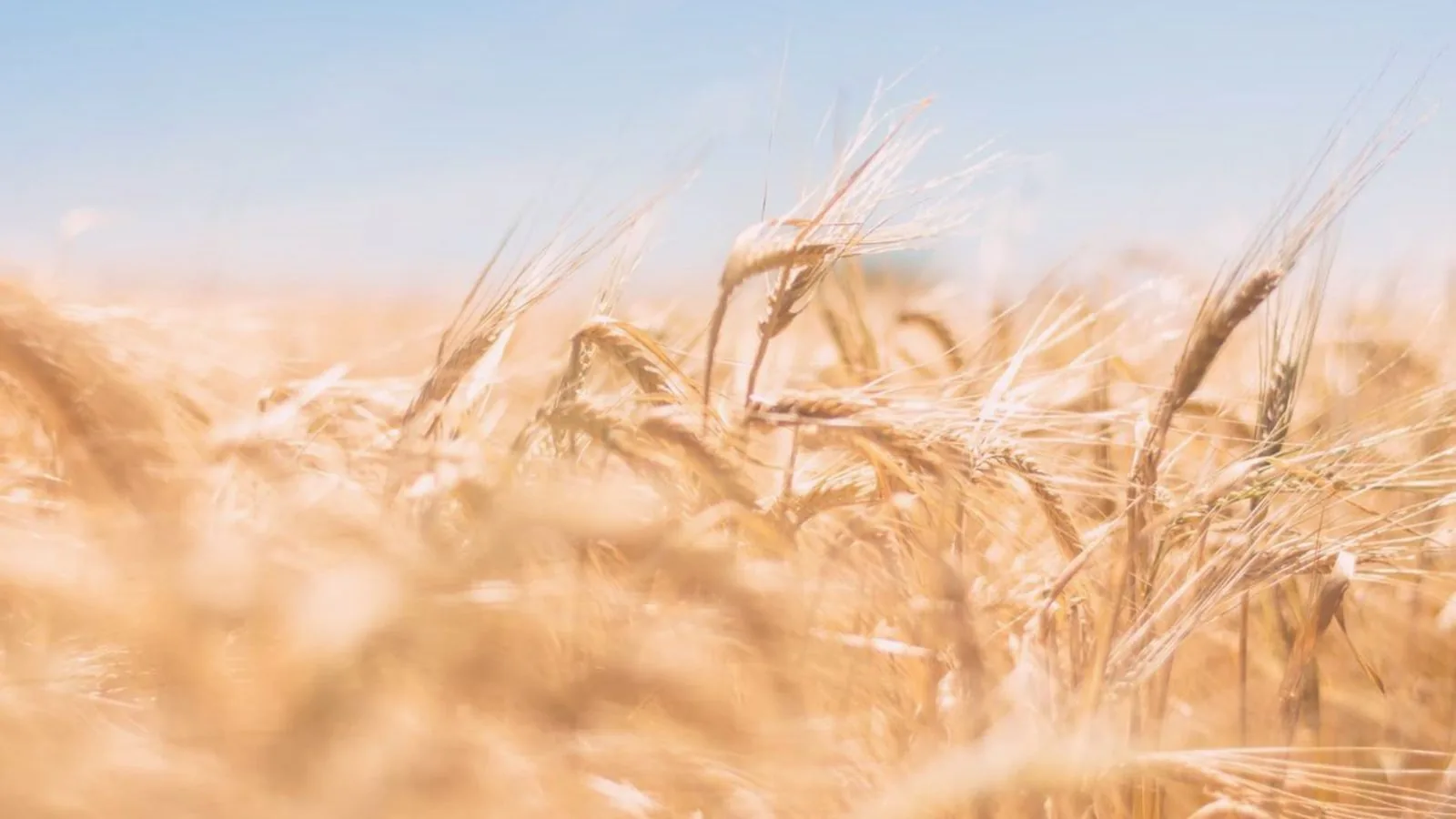
Lughnasadh. The first harvest festival.
According to pagan traditions, every year is part of a tremendous seasonal cycle. The magic and power of the world come from nature’s never-ending shifts from one season to the next.
Even modern, non-pagans recognize the change in seasons all over the world. It dictates what we can do at any given moment in life. While the seasons will pass on without our interference, observing and celebrating them can be healing and helpful.
The result: the seasonal pagan holiday.
Cultures and religions worldwide believe properly welcoming or saying goodbye to a season can bring abundance, peace, fertility, happiness, and luck. Some even believe that proper celebration of seasonal holidays can prevent the wrath of the gods and stave off misfortune.
Modern pagans have incorporated this idea into their observation of the passing seasons and marked the year with eight sabbats.
In our overview article, you can read more about this Wheel of the Year, but here, we’ll venture into Lughnasadh.
[[
](https://therelationshippsychics.com/wp-content/uploads/2023/11/PsychicsDraw-1200-×-300-px.hevc_.mp4)](https://shop.therelationshippsychics.com/optinskydp5t2)
What is Lughnasadh?
Astronomically speaking, Lughnasadh marks the midway point between the summer solstice and the fall equinox. There’s still plenty of warmth and sun to enjoy, but the days have grown shorter, and autumn is on the horizon.
For the northern hemisphere, this falls roughly on August 1st. (Like all wheel of the year holidays, observers in the southern hemisphere should jump ahead six months and celebrate according to their corresponding season.)
For people who celebrate, Lughnasadh is the first harvest festival. Crops have been growing all summer, and while many fruits and vegetables have been enjoyed thus far, the grain is now finally ready to harvest.
Lugh****nasadh Folklore
The ancient Celtic tradition of sabbats included three holidays related to the sun. Lughnasadh is the last of these holidays, paying particular homage to the Celtic god Lugh, a warrior, king, and master craftsman of many disciplines.
Lugh’s Feasting
In the stories of Celtic mythology, the god Lugh called for a great funeral feast to commemorate his mother, Tailtiu, who died of exhaustion after clearing the plains of all of Ireland for agriculture.
This Lughnasadh festival involves a massive feast, great athletic competition, and games that draw the strongest and most skilled from all over the region to compete for glory.
Lughnasadh celebrations also include baking bread, which marks the harvest season’s beginning. The long-term crops planted on the spring equinox have finally borne fruit. Grain is a tremendously valuable source of nutrients across time and cultures, but it doesn’t permanently store well. Milling it and baking it into bread keeps it viable for longer.
As a result, Lughnasadh festivities lived beyond their ancient origins and were celebrated by Christians and non-pagans as loaf mass. These people celebrate Lammas around the same time of year and incorporate pagan traditions, even as they attach a different religion to their customs.
Such is the legacy of Lugh and all Celtic festivals.
Lughnasadh Celebrations
The modern pagan celebration of Lughnasadh can take many different forms, but a few are absolute classics that practicing witches can benefit from adding to their repertoire.
Bake bread
Lughnasadh is all about the bread–so much so that its anglicized name means “loaf holiday.” So this is a time to set aside fears of carbohydrates and bake some bread. Traditional bread will include wheat, barley, and oat grains. But depending upon your dietary restrictions, any bread will serve the purpose.
But you should try to bake it yourself! Or, if you don’t have the means to bake your bread, at least get it fresh from a local bakery or friend.
Contemporary diet culture often equates carbohydrates with unhealthy eating–especially bread. But it’s one of the whole foods that connect us to our ancestors, so partaking in it can be a perfectly healthy ritual.
Host a late summer party
Call it a barbecue, consider it a family reunion–get together with people you love, make food that comforts you, and have fun outside. Lughnasadh festivities happen in the face of the inevitable change in season that approaches nearer by the day. The winter solstice is as fated as anything else, but this last summer festival says, “Let’s worry about that later.”
Go to a fair or farm festival.
While another harvest celebration will happen on the autumn equinox, Lughnasadh enjoys the first fruits of the earth’s mother.
Many small towns and rural communities put on county fairs and farm festivals around the traditional time of Lughnasadh, so you should try to attend. Pet the animals! Enjoy some fresh produce! Make some craft to keep on your altar!
Setting Intentions for Lughnasadh

One of the most straightforward and sincere ways to observe Lughnasadh and incorporate it into your craft is to set intentions on that day for the next season of your year.
Below, we’ve written out a few intentions you can speak aloud as you observe the holiday.
For Self-Reflection
“As the first fruits arrive, let me recognize what I have borne this year. Let me see all I have worked hard for and appreciate the fruits of my labor. And as I take stock, let me also see what remains to accomplish. Grant me the motivation to finish strong.”
For Generosity
“Gods of the harvest, Lugh and Demeter, show me all I am blessed with so that I may bless others. Help me to recognize the help that speaks softly so that I may appreciate it as it deserves to be appreciated.”
For Patience
“Gods of the harvest, Mother Tailtiu, who gave all of herself, grant me patience. Please give me the foresight to plant that I cannot expect to harvest myself, benefiting those who’ve not yet come into existence. Give me the patience of the farmer and the shepherd, who toil without immediate satisfaction so they may be blessed tenfold come harvest.”
Lughnasadh Symbols
When it comes to observing any of the holidays, the most important thing is that you celebrate from the heart. If you don’t have access to the following symbols or decorations, your Lughnasadh celebration will not be any less for it; as long as you step out onto the earth and thank it for its blessings, you’re all set.
But if you want to participate in the traditional festivities, here are a few things you can incorporate for an authentic Lughnasadh celebration.
Animals
Calves, crows, pigs, roosters, and salmon are plentiful during harvest season and often on display at fairs and festivals.
Herbs and Flower
Traditionally, blackthorn, clover, goldenrod, heather, ivy, poppies, rose hips, and sunflowers are all in the season. But depending on where you live, any flowers and greenery can be used to show thanks to nature.
Crystals
Citrine, yellow topaz, moss agate, gold sheen obsidian, peridot, and yellow aventurine capture the dusky golden hue of the early harvest season. Similarly, bronze, green, and light brown are the best colors for candles and other decorations.
Trees
Apple and oak trees are most important for Lughnasadh, but trees, in general, are secondary to the bountiful grains. Still, decorating these trees or decorating your home with leaves, branches, and berries from these trees will empower your observance.
Decorations
Barely bread, cornucopias, gourds, scythe, and sun wheels.
Why observe Lughnasadh?
No holiday practices are required for a witch looking to hone their craft. Many witches are entirely secular and leave out the premises of divinity and holidays altogether. But magical energy is inseparable from nature, so you will get more effective results if you recognize these seasonal shifts.
Lughnasadh teaches us that we will be rewarded for the effort we invested in the past.
Wheel of the Year Holidays
Imbolc (February 1st)
Ostara (March 20-23)
Beltane (May 1st)
Litha (June 20-23)
Lughnasadh (August 1st)
Mabon (September 20-23)
Samhain (November 1st)
Yule (December 20-23)
[[
](https://therelationshippsychics.com/wp-content/uploads/2023/11/PsychicsDraw-1200-×-300-px.hevc_.mp4)](https://shop.therelationshippsychics.com/optinskydp5t2)
Looking to chat with a psychic now?
Connect with our psychics right away by installing our app Mystica Psychic Readings.